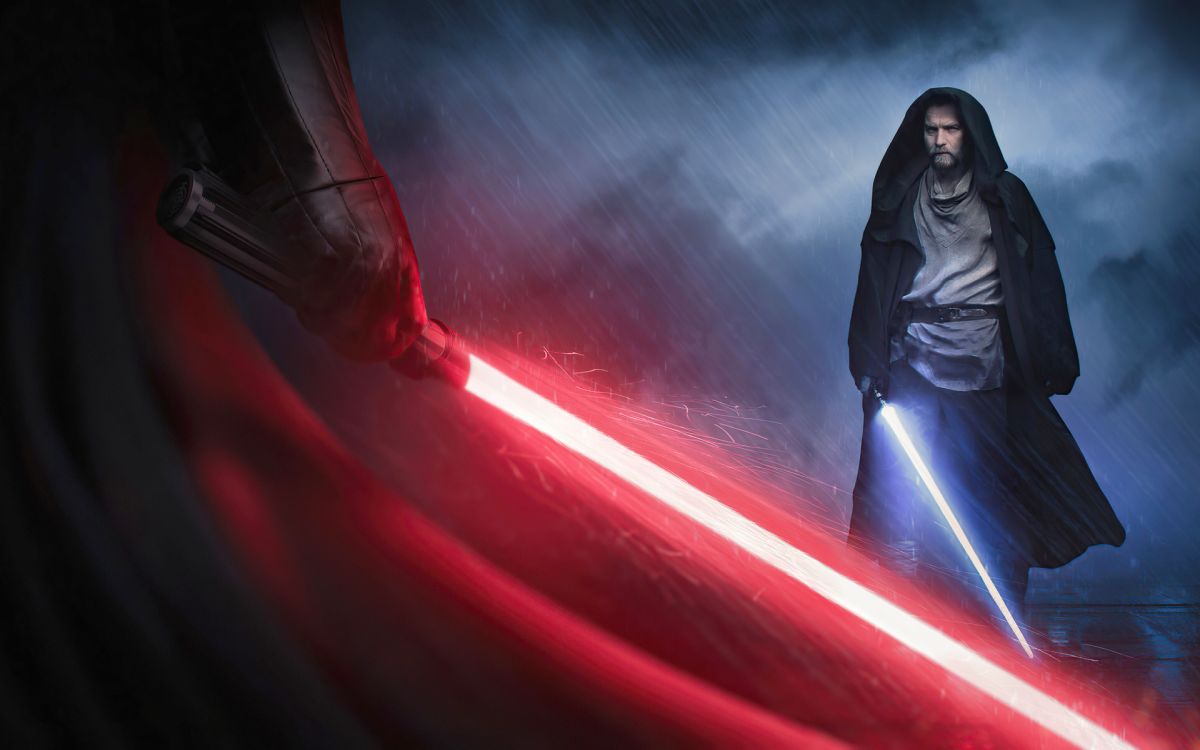
For fans of the film franchise, date functions almost like a secular holiday, a shared cultural moment that feels oddly sacred in its own way. Sacred in the sense that it marks a yearly return to a story universe that has helped shape identities and imaginations across various communities and generations.
Avid followers of Star Wars use the day to reaffirm their connection to characters, philosophies, and mythic storytelling that have become deeply embedded in modern pop culture.
Celebrations of the day happen muchly in the US and the UK, and of course Australia, where events, cinema screenings, exhibitions, themed shop windows, and fan forums all come to life. Indeed, May the 4th has become a global, internet-amplified ritual, with social media driving coordinated fandom activity across Europe, Asia, and Latin America. Large-scale gatherings like Star Wars Celebration also help formalise and globalise the occasion, turning what was once a niche joke into a calendar fixture for millions.
We wondered if the date would be uttered 40 or 50 years from now, and it’s quite plausible given that the original Star Wars film debuted nearly 50 years (on May 25, 1977, expect copious amounts of excitement next year).
Created by George Lucas, the franchise was conceived in 1976 and became a worldwide pop culture phenomenon, expanding into numerous films, television series, books, and games over the decades.
The endurance of Star Wars depends less on any single generation and more on the continued relevance of the franchise and its ability to renew itself for new audiences.
Given how deeply embedded Star Wars has become in global popular culture, the day is likely to persist as a kind of fandom tradition: part nostalgia, part celebration, and part evolving cultural ritual that adapts as new stories, technologies, and audiences come and go.
We hope we’re here for it, anyway.
Lisa Andrews & Antonino Tati