
The Impact and Benefits of Speech Therapy for Children and Adults
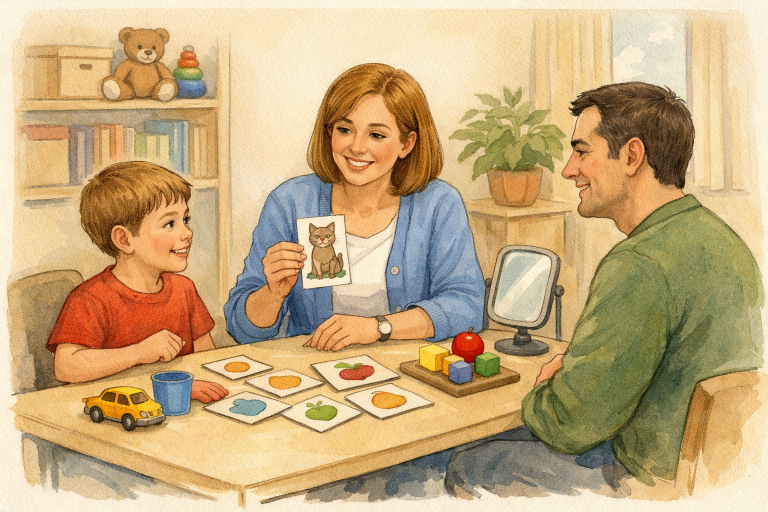
Understanding Communication Disorders
Communication disorders can significantly disrupt a person’s ability to speak, understand, or express language. These conditions may stem from developmental delays, neurological issues, or unexpected injuries. Children might present with speech-sound difficulties, difficulty organizing language, or challenges with social communication. Adults, on the other hand, may experience impairments as a result of strokes, brain injuries, or degenerative conditions such as Parkinson’s disease. Early and accurate identification is crucial to getting the right help, and resources like speech therapy can play an essential role in addressing these challenges.
Many people underestimate the impact of communication disorders on everyday life. Not only do these issues affect a person’s ability to interact with others, but they can also influence academic or professional achievement, independence, and emotional well-being. A tailored therapy plan bridges the gap between current abilities and optimal communication skills, bringing support and confidence back to individuals and families.
Access to effective treatment often begins with early recognition and timely intervention. Whether a parent is seeking support for a child with speech delays or an adult is working to regain communication skills after a neurological event, partnering with a qualified speech-language pathologist (SLP) can make a meaningful difference. SLPs are trained to evaluate, diagnose, and treat a broad range of communication and swallowing disorders, and to create individualized therapy plans based on each person’s specific needs. Providers such as R&R Collaborative Therapy Services exemplify this patient-centered approach by emphasizing personalized care, evidence-based treatment, and long-term progress for individuals across all stages of life.
Comprehensive speech therapy services are available for both pediatric and adult populations. Through evidence-based approaches, therapy targets not only verbal skills but also nonverbal and social communication, swallowing function, and related areas for holistic improvement.
What Is Speech Therapy?
Speech therapy is a specialized clinical service provided by licensed speech-language pathologists who assess, diagnose, and treat communication, speech, language, and swallowing challenges across all age groups. Treatment plans are carefully tailored to each individual’s specific goals to improve speech clarity, language comprehension, expressive communication, and overall confidence in daily interactions. Therapy may involve oral-motor exercises, structured language activities, social communication strategies, and, when appropriate, the integration of augmentative or alternative communication tools for individuals with more complex needs. Providers such as R&R Collaborative Therapy Services often take a personalized, team-based approach to helping clients build meaningful communication skills while supporting long-term functional progress.
Benefits of Speech Therapy for Children
- Enhanced Communication Skills: Targeted therapy helps children learn to produce sounds accurately, use words purposefully, and participate more fully in conversations. This leads to stronger social relationships and more positive interactions with peers and adults.
- Improved Academic Performance: Language skills are vital for learning to read and write, following classroom instructions, and demonstrating knowledge on assignments. Early intervention reduces the risk of falling behind academically due to communication challenges.
- Increased Confidence: As children’s abilities improve, they often experience greater self-esteem and are more likely to engage socially, both in school and extracurricular activities.
Benefits of Speech Therapy for Adults
- Recovery of Lost Skills: Adults recovering from stroke, traumatic brain injury, or surgery can regain language and speech skills through structured exercises and ongoing support.
- Enhanced Quality of Life: Restoring effective communication abilities has a positive impact on social interactions, independence, and participation in work or community activities.
- Swallowing Function Improvement: Many adults develop swallowing difficulties (dysphagia) after illness or injury. Therapy addresses these issues and improves safety, comfort, and nutrition during eating and drinking.
Evidence Supporting Speech Therapy Effectiveness
A substantial body of research highlights the positive outcomes associated with speech therapy. For example, a large-scale study of over 700 children showed that just 6 hours of therapy spread over 6 months yielded significant improvements in speech and language abilities. Expressable, a prominent provider, further notes that 96 percent of patients achieve measurable progress toward their goals within the first five sessions. This rapid advancement demonstrates that targeted, individualized therapy can make a meaningful difference for clients of all ages. Additional research from the Mayo Clinic emphasizes the value of early and ongoing intervention.
How R&R Collaborative Therapy Services Can Assist
R&R Collaborative Therapy Services specializes in delivering speech therapy tailored for children and adults facing a range of communication challenges. The clinic’s experienced team uses evidence-based strategies and individualized plans to help clients achieve their communication goals. Whether help is needed with speech clarity, language development, social skills, or swallowing, the team works closely with each client and family to provide comprehensive care and optimal outcomes.
Frequently Asked Questions
How long does speech therapy typically take?
The length of therapy varies greatly depending on the nature and severity of the communication disorder, individual goals, and participation in therapy sessions. Some individuals achieve their goals in a few sessions; others may need ongoing intervention for longer-term support.
Is speech therapy effective for adults?
Yes, adults often benefit from speech therapy, especially after neurological events such as strokes or injuries, or when managing degenerative diseases. The therapy process can help regain lost skills and maintain quality of life as changes occur.
Can speech therapy help with swallowing difficulties?
Absolutely. Swallowing therapy is one aspect of speech-language pathology. SLPs are trained to assess and treat dysphagia, offering techniques and exercises to promote safer and more efficient swallowing for clients of all ages.
Speech therapy plays a vital role in helping individuals of all ages overcome communication, language, and swallowing difficulties that can affect daily life. With early, personalized intervention, children often build stronger academic, social, and developmental skills, while adults may restore communication abilities, independence, and self-confidence after illness, injury, or other life changes. Access to compassionate, evidence-based care can make a meaningful difference at every stage of life, which is why many families and individuals turn to providers such as R&R Collaborative Therapy Services for comprehensive support tailored to their unique goals and long-term progress.
Discover more from
Subscribe to get the latest posts sent to your email.

Leave a Reply