
Dental Implants: Benefits, Drawbacks, and What to Expect
Key Takeaways
- Dental implants deliver a lasting, natural-looking alternative for missing teeth.
- Gaining insight into the process, benefits, and possible risks supports a well-informed decision.
- A professional consultation is crucial to establish if dental implants meet your specific needs.
Are you thinking about restoring your smile with dental implants? Dental implants have become a popular solution for individuals who have lost one or more teeth, thanks to their durability, natural appearance, and long-term benefits. This comprehensive guide outlines everything you need to know, including advantages, possible risks, the procedure, and how to decide if they are right for you.
With so many options for tooth replacement available, making the right choice can be overwhelming. Dental implants stand out for their ability to mimic the look and feel of natural teeth, but it is essential to understand all aspects before proceeding. Below, you will find detailed information on each step of the process, important considerations, and helpful resources for further reading.
What Are Dental Implants?
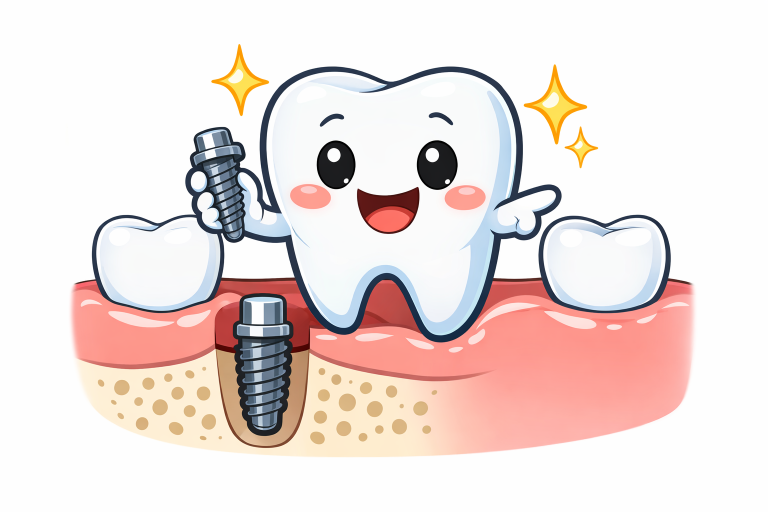
Dental implants are advanced restorations used to replace missing teeth. They consist of a titanium post that is surgically anchored in the jawbone, serving as a replacement root. Once this post has fully integrated with the bone, a custom-made crown is attached that is designed to seamlessly match your natural teeth in both function and appearance.
Implants provide a foundation for single teeth, bridges, or even full dentures, creating a stable and comfortable solution that can last for decades with the right care. This technology not only restores function for eating and speaking but also preserves overall oral health by maintaining the structure of your jaw and facial profile.
Benefits of Dental Implants
- Durability: Dental implants are built to withstand daily wear, offering longevity that often surpasses traditional restorations such as bridges or dentures.
- Natural Appearance: The crown attached to an implant is custom-crafted to match your other teeth. Most people will not notice you have an implant unless you choose to tell them.
- Bone Preservation: Implants stimulate the jawbone, which helps prevent the bone deterioration that naturally follows tooth loss. This helps maintain facial structure and prevents premature aging.
- Improved Functionality: Since implants are anchored into the jawbone, they restore your ability to eat all types of foods and speak clearly without the worry of a restoration shifting or slipping.
Potential Drawbacks and Risks
- Surgical Risks: Implant placement requires minor oral surgery. As with any surgical procedure, there is a risk of infection, nerve injury, sinus complications, or implant failure. However, these risks are generally low with an experienced provider.
- Cost: Dental implants are initially more expensive than alternative treatments like bridges or dentures. However, given their longevity, they can be a cost-effective solution over time.
- Time Commitment: The journey from initial consultation to completion may take several months. This includes healing periods and additional procedures if bone grafting is needed.
The Dental Implant Procedure
The dental implant process unfolds in carefully planned stages to ensure safety and long-term success.
- Initial Consultation: The dentist evaluates your health, reviews your medical history, and uses imaging to analyze bone structure and density. This assessment helps determine if you require preparatory procedures, such as bone grafting.
- Surgical Placement: During an outpatient procedure, a titanium post is placed within your jawbone. Most patients receive local anesthesia, though sedation options are also available for comfort.
- Healing Period: Integration, called osseointegration, takes several months as bone and tissue grow around the post, stabilizing it for long-term support.
- Abutment Placement: After healing, a small connector called an abutment is attached to the implant above the gumline, preparing it for the final crown.
- Crown Placement: The dentist secures a custom-made crown onto the abutment. The tooth will look and function like a natural one, enabling you to eat and smile with confidence.
Caring for Your Dental Implants
Maintaining your dental implants follows the same best practices as your natural teeth. Brush twice daily using a soft-bristled toothbrush, floss regularly, and visit your dentist for routine check-ups and professional cleanings. It is vital to avoid smoking, limit sugary foods, and address dental concerns promptly to maximize the lifespan of your implants.
According to the Mayo Clinic, diligent oral hygiene is the cornerstone of implant longevity and oral health.
Cost Considerations
The cost of dental implants depends on several factors, including the number of teeth being replaced, type of implant, necessity of additional procedures, geographic location, and your provider’s expertise. Generally, a single tooth implant ranges from $3,000 to $6,000. Dental insurance policies and financing options can sometimes offset part of the expense, although coverage can vary. Always consult with your dental provider for an individualized cost estimate and ask about payment solutions.
Are You a Good Candidate?
Dental implants require a healthy foundation. Ideal candidates are those in good general and oral health, with sufficient jawbone to support the implant. Conditions such as uncontrolled diabetes, immune system disorders, or tobacco use may affect healing and the likelihood of successful integration. An in-depth assessment and open conversation with your dental professional will help establish your readiness and discuss potentially required preparatory procedures.
Conclusion
Dental implants have transformed the landscape of tooth replacement, offering a secure and visually appealing option to restore your smile and confidence. By understanding the benefits, potential drawbacks, and the procedure, you can make an educated decision in partnership with your dental provider. Take the first step toward a lasting solution by scheduling a comprehensive consultation and prioritizing your dental health for years to come.




 Recently, I reviewed a pair of



Discover more from
Subscribe to get the latest posts sent to your email.

Leave a Reply