
Pre-Owned vs New Rolex: What Buyers Need to Know
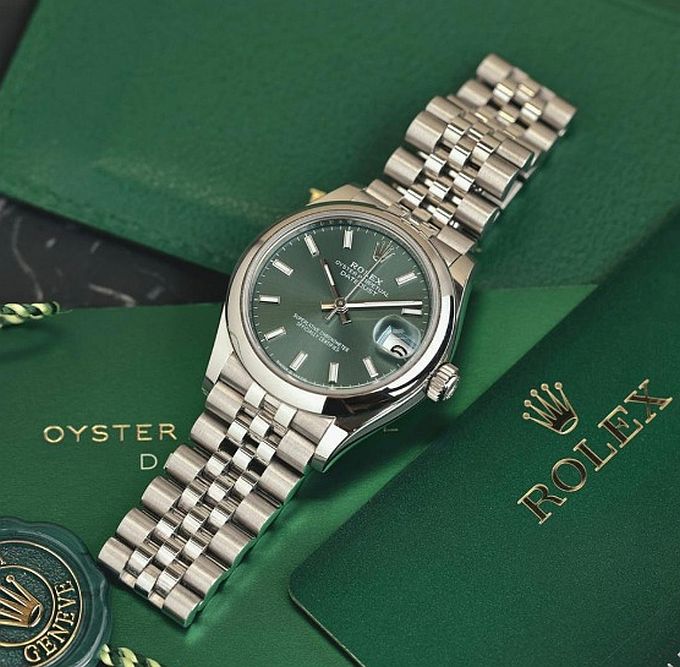
Owning a luxury Swiss timepiece is a universally recognised milestone in both personal and professional style. Whether purchased to mark a significant career achievement or to secure a foundational accessory for a sophisticated corporate wardrobe, the desire to acquire a premium watch remains remarkably strong in Australia.
However, modern consumers face a highly complex purchasing landscape. The traditional experience of walking into a boutique and leaving with a brand new watch of your choice is largely a thing of the past. Today, prospective buyers must weigh the prestige of purchasing a brand new model against the immediate availability, expansive variety, and unique financial dynamics of the secondary market. Understanding the nuances of both paths is absolutely essential for anyone looking to make a smart, informed luxury purchase that will stand the test of time.
The Reality of Retail and Waiting Lists
To understand the appeal of the secondary market, one must first understand the current realities of buying brand new. Despite producing an estimated one million timepieces annually, demand for new models far outstrips global supply. The primary manufacturer operates under strict distribution controls, which has fundamentally changed the retail experience. When visiting an authorised dealer, buyers will often find display cases full of “exhibition only” models that cannot be purchased.
If you wish to acquire a new watch directly from the manufacturer, you must navigate several significant hurdles:
- Extended waiting periods: Wait times for highly sought-after stainless steel sports models, such as the Submariner or the Cosmograph Daytona, currently stretch from five to ten years. Even standard models can require waits of several months to over two years.
- The wishlist system: Authorised dealers generally do not operate chronological waiting lists. Instead, they utilise a system that heavily favours established VIP clients with extensive purchase histories.
- First-time buyer disadvantages: New buyers are often at a severe disadvantage. Retail allocations are typically offered to clients who have already spent significantly on other jewellery or less desirable watch models to build a relationship with the dealer.
The frustration associated with these waitlists has led many passionate horology enthusiasts to completely re-evaluate their purchasing strategies. It is no longer uncommon for seasoned collectors to advise newcomers to bypass the retail experience entirely. These extensive delays for new retail allocations have transformed the pre-owned space from a secondary compromise into a premium alternative. Buyers who desire immediate gratification without playing retail games are increasingly shifting their attention elsewhere.
The Pre-Owned Market Boom in Australia
The Australian secondary luxury watch market is currently experiencing exponential growth. Industry projections estimate the sector will generate hundreds of millions in revenue over the next few years and is on track to surpass previous benchmarks by the end of the decade. This remarkable boom is driven largely by changing demographics and shifting consumer values across the country. A significant generational shift is currently underway, with younger demographics entering the luxury sector in record numbers.
A recent Deloitte Swiss Watch Industry Study highlighted this change, revealing that a substantial portion of millennial and Gen Z consumers plan to purchase a pre-owned watch in the near future. For younger Australian buyers, the appeal is not exclusively about bypassing waitlists. It is also tied closely to modern sustainability practices. Participating in the circular luxury fashion economy by acquiring second-hand pieces is increasingly viewed as an eco-conscious lifestyle choice. Rather than generating new manufacturing emissions, purchasing an existing timepiece significantly reduces the carbon footprint associated with luxury consumption.
Online retail and authenticated consignment platforms have quickly become the fastest-growing sales channels in the country. For consumers ready to Shop Second-Hand Rolex Watches, these reputable platforms provide a secure, transparent environment. They offer buyers immediate access to highly coveted pieces, delivering the ultimate luxury experience without the frustrating retail queues.
Financial Realities and Investment Potential
Beyond aesthetics and availability, the financial dynamics of luxury timepieces play a major role in the new versus pre-owned debate. Watches are increasingly viewed as tangible assets. Within the Australian luxury sector, traditional mechanical and analogue watches continue to massively outperform modern smartwatches. Consumers recognise that a meticulously crafted mechanical piece holds intrinsic value over time, whereas consumer electronics depreciate rapidly.
The broader global luxury watch market is experiencing a profound wave of premiumisation. Interestingly, Swiss luxury watch production volumes have actually halved since the year 2000, yet total export revenues have continued to climb steadily. This deliberate industry shift toward ultra-premium exclusivity serves to buoy secondary market values, cementing luxury timepieces as highly liquid financial assets.
Securing a high-end mechanical watch is widely considered a reliable vehicle for wealth retention. The ability of these specific watches to hold their value makes them uniquely appealing to smart investors.
Navigating Authenticity and Official Programs
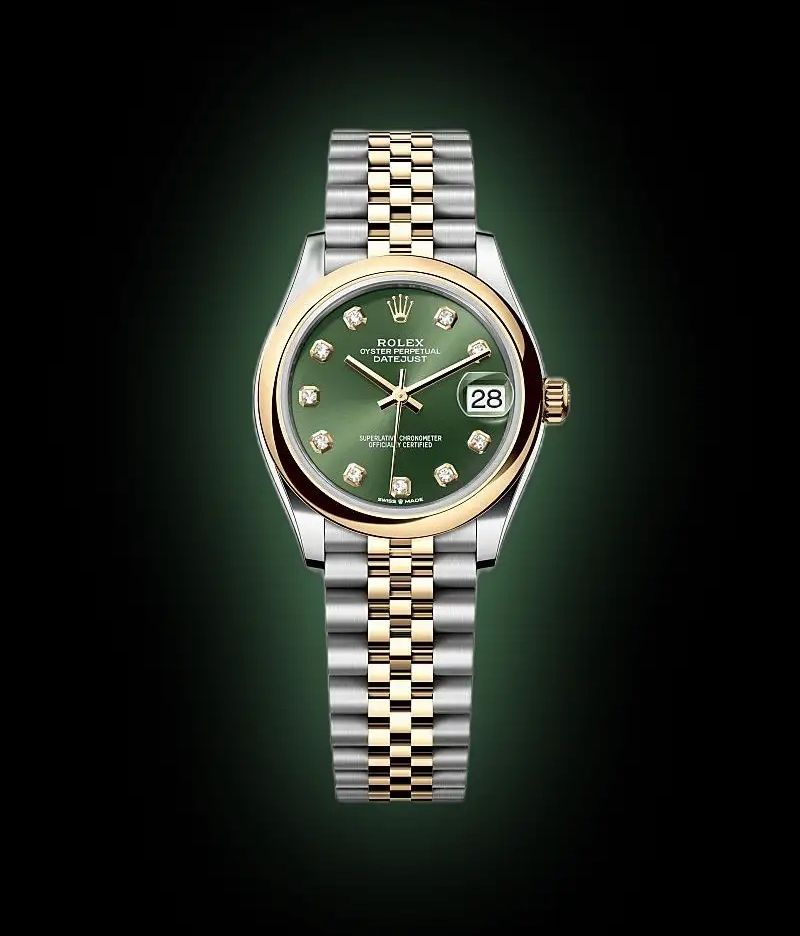
Recognising the sheer power, scale, and profitability of the secondary market, the primary manufacturer officially validated this space by launching its own Certified Pre-Owned program. This initiative is rolled out through select authorised retail partners, providing an official manufacturer stamp of approval on second-hand pieces. However, there are specific limitations to the official route that prospective buyers must carefully consider.
To protect its primary retail market, the manufacturer restricts its certification strictly to second-hand watches that are at least three years old. You will not find the newest releases or current-year models in an official certified display case. Furthermore, prices for these officially certified watches at authorised boutiques frequently exceed the original retail price, sometimes by a massive margin. The premium charged for the official manufacturer warranty is substantial.
Because of these highly inflated prices at official boutiques, many Australian buyers continue to prefer independent, authenticated secondary platforms. Independent specialists consistently offer far more competitive pricing while still providing rigorous authentication processes and detailed condition reports. Furthermore, independent specialists often provide their own comprehensive warranties, ensuring that buyers are protected against unexpected mechanical issues. A professional horologist will thoroughly inspect the movement, verify the integrity of the water resistance seals, and ensure that all internal components remain entirely original to the watch. This level of meticulous scrutiny gives modern buyers complete peace of mind.
Vintage Charm vs Modern Engineering
Another compelling argument for exploring the secondary market is the unparalleled access it grants to discontinued references and vintage aesthetics. Throughout its history, the brand has been famous for making subtle, incremental changes to its models over the decades. A brand new Submariner features a slightly larger case and a modern ceramic bezel, which appeals heavily to those who want the absolute latest technology and scratch resistance. However, many collectors and style enthusiasts prefer the classic proportions of older models.
The pre-ceramic, five-digit references from the late 1990s and early 2000s are incredibly popular on the secondary market. These older pieces feature aluminium bezels that fade beautifully over time, offering a unique visual patina that simply cannot be replicated in a modern factory. Buying pre-owned allows enthusiasts to choose the exact era, case size, and aesthetic that perfectly matches their personal style, rather than being strictly limited to whatever is featured in the current year’s catalogue.
Styling Your Timepiece for the Corporate Wardrobe
Once you have navigated the acquisition process, the true joy of ownership comes from styling your new asset. In the modern Australian corporate environment, a luxury watch serves as a subtle yet powerful communicator of personal brand and professional standing. For formal business attire, classic dress watches with leather straps or understated steel sports models slide effortlessly under a tailored shirt cuff. They provide a sophisticated focal point without overwhelming a sharp, bespoke suit.
As workplace dress codes continue to relax into smart-casual territory, highly versatile steel sports models have become the undisputed kings of the modern wardrobe. A well-chosen diver or chronograph bridges the gap between boardroom formality and weekend leisure. Collectors often leverage the secondary market to acquire specific dial colours or bezel variations that complement their existing sartorial choices. Whether matching a faded vintage bezel to casual knitwear or using a stark black modern dial to anchor a formal ensemble, the styling possibilities are endless.
Women’s luxury watches have also seen a massive shift. Rather than being restricted to diminutive, gem-set models, many female executives are opting for traditionally male-sized sports models. A thirty-six millimetre or even forty millimetre case makes a striking, confident statement in the boardroom, especially when paired with modern, structured tailoring. The secondary market is uniquely positioned to cater to this trend, offering decades of varied case sizes that simply are not available in current retail lineups.
Making the Right Choice for Your Wrist
Deciding between a new or pre-owned timepiece ultimately comes down to a buyer’s individual timeline, budget, and personal priorities. If securing a watch directly from the manufacturer is your primary goal, you must be prepared for a long game of building retail relationships and waiting patiently for an allocation. For those who value the specific experience of buying at a boutique, this wait may be worthwhile.
Conversely, the secondary market offers unparalleled variety, including vintage charm, discontinued models, and immediate availability. With the pre-owned market evolving into a highly regulated, transparent, and secure ecosystem, purchasing a luxury timepiece second-hand has never been safer or more appealing. By taking the time to understand the realities of retail waitlists, secondary market values, and rigorous authentication standards, consumers can confidently secure a watch that will serve as a flawless companion for generations to come.
Antonino X Kylie – Breathe (2026 Redux). Available to stream on Soundcloud, Mixcloud and YouTube (07/07).

Curating the Ultimate Luxury Weekend Getaway in the Heart of Sydney
Discover more from
Subscribe to get the latest posts sent to your email.

Leave a Reply