
Why High-Performing Executives Are Upgrading to Boutique Urban Sanctuaries
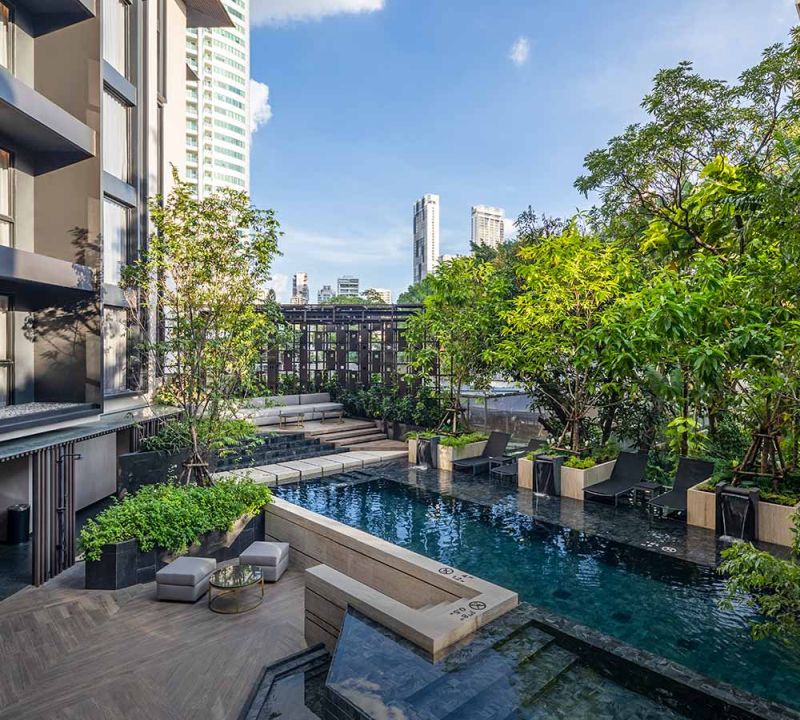
The traditional blueprint for corporate travel is undergoing a radical transformation. Historically, business travel was viewed as a necessary burden, a gruelling marathon of tight schedules, red-eye flights, and generic accommodations that left professionals entirely drained. For decades, the standard executive itinerary was defined by sterile airport lounges and massive, impersonal chain hotels. Today, however, a fundamental shift in priorities is rewriting how business leaders approach international work. Driven by a desire for longevity, sustained mental acuity, and better work-life integration, top-tier professionals are actively turning their backs on exhausting forty-eight-hour transactional trips. Instead, they are embracing extended city stays that seamlessly blend high-stakes commerce with much-needed personal restoration.
This evolution in corporate mobility is not merely a passing phase or a niche preference. According to recent market analysis, the global bleisure travel market is expected to grow 500 per cent by 2033. As the lines between work and life continue to blur, hospitality providers are quickly realising that the modern corporate traveller requires an entirely new category of accommodation. The demand for restorative, health-conscious environments has never been higher, as professionals seek to offset the intense physical toll of frequent flying and constant time zone changes.
The Executive Burnout Crisis and the Need for Rest
The primary catalyst for this shift is a profound and well-documented crisis in executive wellbeing. The relentless pace of modern leadership, compounded by constant connectivity and global market pressures, has pushed many professionals to their absolute limits. A 2024 Deloitte assessment revealed a staggering reality, noting that 82 per cent of chief executives currently experience exhaustion indicative of burnout. This represents a critical mass of leadership fatigue that corporations can no longer afford to ignore.
Furthermore, detailed research from McKinsey highlights a 40 per cent increase in executive burnout since 2019. Corporate leaders now face significantly more stress and sleep disruption than individual contributors. Entering 2025, over half (56 per cent) of corporate leaders reported feeling actively burned out. The financial ramifications of this collective exhaustion are severe and highly quantifiable. The annual cost to employers per burned-out executive is estimated at over $20,000, a figure that is more than five times higher than the cost associated with replacing or treating an average employee.
Faced with these alarming statistics, corporations and individual leaders are fundamentally rethinking their approach to time spent on the road. As we frequently explore in our ongoing coverage of the modern professional lifestyle, the contemporary executive flatly refuses to sacrifice their long-term health for short-term career gains. The traditional corporate hotel, with its bustling, high-traffic lobbies, noisy conference floors, and impersonal corridors, often exacerbates travel anxiety rather than alleviating it. Executives are now actively seeking out restorative, quiet environments that offer a genuine respite from the intense demands of the boardroom. They are prioritising intimate spaces that feel more like a private residence and less like a chaotic transit hub.
Finding Sanctuary in Global Commercial Hubs
Nowhere is this shift more apparent than in major Southeast Asian commercial centres, which have become proving grounds for the new era of corporate hospitality. Bangkok, for example, maintained its position as one of the most visited cities in the world, welcoming over 32.4 million international visitors in 2024. The city uniquely combines world-class business infrastructure with high-end wellness experiences, making it a premier gateway for modern corporate operations. Travel industry forecasts, including robust data from the Mastercard Economics Institute, emphasise that executives are increasingly opting to extend their business trips in such vibrant, multifaceted hubs.
To maximise their productivity and fiercely protect their mental health, visiting professionals are becoming highly selective about where they base themselves.
When researching the best boutique hotel in Bangkok to offer, modern leaders deliberately look for properties that provide a tranquil oasis amidst the urban sprawl. By bypassing the massive, generic corporate chains, they secure an intimate, highly curated environment that fosters both deep focus and genuine, uninterrupted relaxation.
This desire for smaller-scale, nature-inspired accommodations reflects a broader understanding of how physical space directly impacts cognitive performance. A quiet, thoughtfully designed property allows an executive to completely decompress after a high-pressure negotiation. This deliberate downtime ensures they are fully recharged, mentally sharp, and prepared for the following day of engagements. The psychological distance from the constant hum of a conventional business hotel is increasingly viewed as an essential component of professional success.
The Rise of the Extended Stay
The concept of mixing professional obligations with personal downtime is reshaping the entire travel and hospitality industry. Corporate policies are finally adapting to this reality, allowing for slower, more purposeful travel itineraries that encourage regional exploration alongside business duties. The Global Business Travel Association reports that 46 per cent of corporate travel buyers have seen a direct, measurable increase in employees taking blended business and leisure trips compared to the previous year.
This behavioural shift is fuelling a massive economic engine across the globe. The global wellness tourism market is projected to reach an estimated $978 billion in 2025, driven heavily by corporate programmes that integrate wellness retreats and recovery-focused travel directly into business itineraries. Travel technology provider Amadeus recently identified Jetset Hacking as a leading trend for the modern workforce. This concept describes professionals who actively prioritise fitness-focused hotels and specific wellness amenities to maintain their physical routines while navigating foreign time zones.
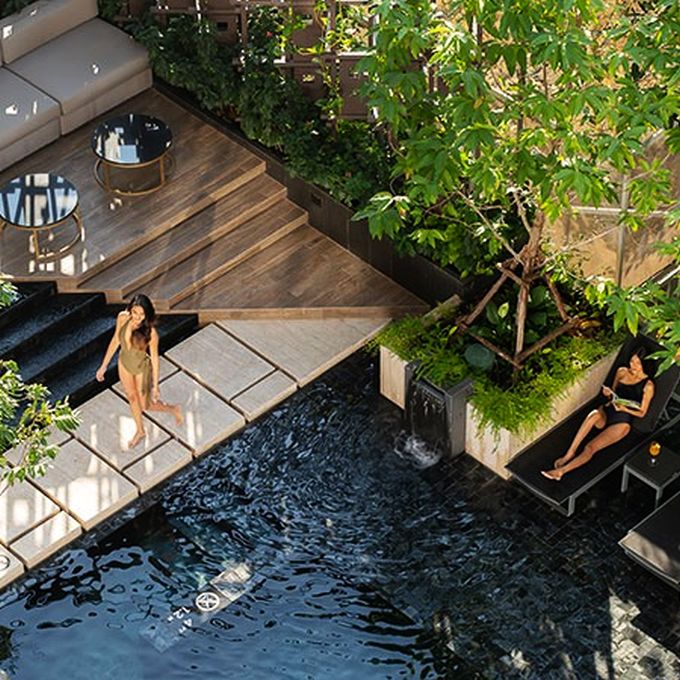
Consequently, sleep tourism and recovery retreats have emerged as dominant travel trends for 2025. To cater directly to overworked executives seeking high-quality rest and mental health resets, modern urban sanctuaries must deliver highly specific features. When booking an extended stay, today’s high-performing professionals typically demand the following amenities:
- Acoustic Isolation: Enhanced soundproofing in private suites to guarantee uninterrupted REM sleep and provide a distraction-free background for remote video conferences.
- Dedicated Wellness Zones: Immediate access to on-site fitness centres, yoga spaces, or lush meditation areas that allow for daily stress management without ever leaving the property.
- Seamless but Hidden Technology: Enterprise-grade digital connectivity and high-speed internet that effortlessly supports heavy workloads, elegantly integrated so it does not intrude upon the relaxing, residential atmosphere.
- Curated Nutrition: Unfettered access to healthy, organic dining options that support sustained energy levels, serving as a vital alternative to the heavy, rich foods typically found in standard hotel banquets.
- Personalised Service: A high staff-to-guest ratio that anticipates individual routines, from arranging discreet private transport to facilitating late-night digital detox protocols.
Why Biophilic Design is the Ultimate Productivity Hack
Beyond upgraded amenities and bespoke services, the actual architecture and interior design of a hotel play a pivotal role in executive recovery. Contemporary research indicates that modern urbanites spend approximately 90 per cent of their time indoors. This severe disconnect from nature contributes significantly to mental fatigue, elevated heart rates, and higher baseline stress levels. To combat this biological deficit, elite boutique properties are heavily investing in biophilic design. This architectural approach deliberately integrates natural lighting, indoor vegetation, and organic materials into the built environment.
The psychological and physiological benefits of biophilic design in hospitality are entirely quantifiable. Exposure to natural elements in professional and living environments has been shown to increase perceived wellbeing by 15 per cent and boost functional productivity by 6 per cent. When an executive returns to a hotel room accented with sustainable timber, abundant natural sunlight, and living plants, their nervous system naturally begins to down-regulate. Instead of synthetic carpets and harsh fluorescent lighting, these sophisticated properties utilise natural stone and expansive windows that frame surrounding greenery, creating a subconscious sense of calm.
Empirical data strongly supports this preference for nature-inspired spaces among high-net-worth travellers. Recent studies show that 73.9 per cent of guests view these biophilic features as a direct signal of a property’s overarching commitment to environmental sustainability and personal wellbeing. Furthermore, a joint report by Terrapin Bright Green and Human Spaces found that hotel guests have a 36 per cent higher dwell rate in lobbies and communal spaces that prominently feature biophilic design. People are instinctively drawn to calming, organic environments, especially when navigating the high-pressure, high-stakes landscape of international business.
Ultimately, the era of treating business travel as a gruelling endurance test has finally come to an end. Today’s high-performing executives understand that their most valuable asset is their own cognitive and physical health. By upgrading to boutique urban sanctuaries that prioritise slow travel, blended itineraries, and soothing biophilic design, leaders are not just improving their immediate comfort. They are making a vital, strategic investment in their long-term professional success and their overall quality of life. As the hospitality industry continues to evolve, true luxury for the modern professional is no longer about sheer opulence, but rather about finding a peaceful, restorative sanctuary in the heart of a bustling city.
Discover more from
Subscribe to get the latest posts sent to your email.

Leave a Reply