
Unseen Stresses: Spotting and Managing Hidden Dietary Sensitivities in Dogs
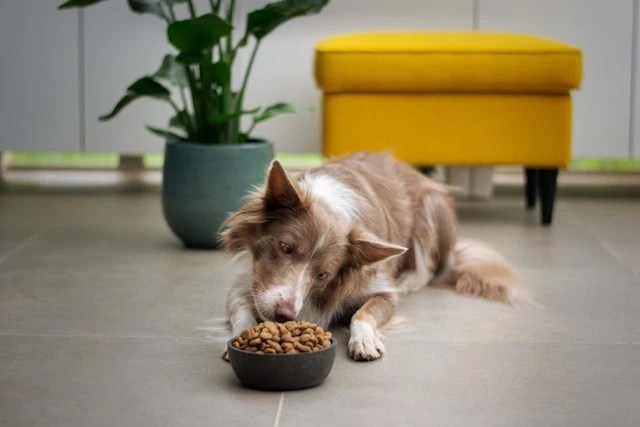
Your dog’s constant itching is probably not caused by grass or fleas. In my years running allergy consultations, I’ve found that the vast majority of chronic skin flare-ups and ear infections start in the gut. (I once spent six months treating a client’s Labrador for environmental allergies with expensive steroid shots, only to realize the issue was the cheap chicken fat in her food—a mistake that taught me to always check the diet first).
Here’s what actually works: identifying and removing dietary triggers. We treated a French Bulldog named Lola who had chewed her paws red-raw and suffered from recurrent ear infections for 18 months. When we eliminated cheap wheat gluten and chicken meal from her diet, her skin cleared up completely in just 4 weeks, and she stopped scratching. Hear the dry, rhythmic scratching of claws on hardwood floors at 3 AM; that is the sound of an inflamed immune system. The yeasty smell of irritated ears and the red, raw skin between a dog’s toes are clear signs of a food allergy.
What most people get wrong is treating the symptoms with creams and pills instead of addressing the root cause in the food bowl. This might sound weird, but a dog can develop an allergy to a food they have eaten for years with no issues. The immune system suddenly decides that a particular protein is an invader, triggering a chronic inflammatory response that ruins their skin barrier.
Identifying the root cause is a process of elimination, which requires understanding how proteins behave.
What are the most common food allergens for dogs?
Beef, dairy, wheat, and chicken are the top dietary triggers for canine immune systems immediately. These common proteins are used in cheap commercial kibble and frequently cause the gut to overreact. Actionable takeaway: Avoid multi-protein foods and select single-source proteins like lamb or wild boar if your dog shows signs of itching.
How long does it take for food allergy symptoms to clear up?
Digestive issues can resolve in days, but skin and coat regeneration takes up to 8 to 12 weeks. Skin cells and hair follicles need time to heal and grow back after the allergen is removed. Actionable takeaway: Stay strictly on a single-protein diet for at least 8 weeks before deciding if it is working.
The Elimination Protocol: Rebuilding a Sensitive System
Hypoallergenic does not mean a bag of synthetic, hydrolyzed chemicals. Many prescription vet diets rely on heavily processed corn starch and chemical flavorings, which can cause other digestive issues. A clean, single-protein diet built on raw or air-dried ingredients is a much more natural way to soothe the gut.
A client spent over $1,200 on vet-prescribed synthetic diets with zero improvement. We switched her dog to a single-protein, grain-free diet, and the chronic diarrhea stopped in 48 hours. Notice how the stool improves—healthy digestion produces firm, dark, and odor-free waste, while a sensitive gut produces loose, light-colored stool that indicates poor nutrient absorption.
Feel the clean, dry texture of a high-quality single-protein kibble; it smells like real meat, not chemicals. Most people get wrong giving “just one tiny piece” of cheese or bread during an elimination trial, which resets the gut’s immune response and ruins weeks of progress.
Finding a clean, single-protein dog food for allergies that avoids common fillers is the fastest way to give your dog’s immune system a chance to reset. It removes the daily inflammatory triggers, letting their skin and gut heal naturally.
A clean diet is the foundation, but you also need to know how to spot the signs of improvement.
How do you perform a strict elimination diet trial?
Feed only the selected single-protein food and fresh water for 8 weeks immediately. You must eliminate all treats, table scraps, flavored medications, and chew toys to ensure the trial is clean. Actionable takeaway: Write down a weekly diary of their itching levels on a scale of 1 to 10 to track progress.
Can a grain-free diet help with canine allergies?
Yes, because grains like wheat and corn contain gluten, which can irritate the gut lining of sensitive dogs. Switching to a grain-free diet that uses sweet potato or peas as a carb source reduces the inflammatory load on the gut. Actionable takeaway: Look for grain-free formulas that list real meat as the first ingredient.
Discover more from
Subscribe to get the latest posts sent to your email.

Leave a Reply