
What Should You Check Before Replacing a Mack MP8 Turbo?
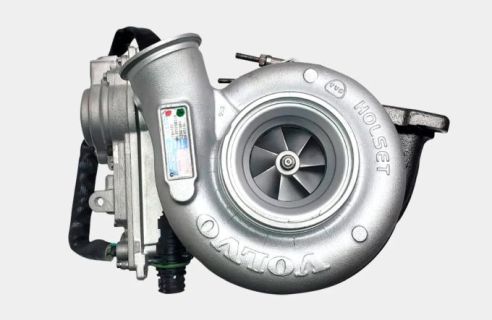
Replacing a turbocharger is a significant decision for any truck owner or fleet manager. The part itself can be expensive, but the larger cost often comes from downtime, towing, missed deliveries, and damage caused by installing a new turbo without addressing the original problem. Before approving the repair, confirm that the turbo is actually failing and determine what caused the failure.
A careful inspection can help prevent repeat repairs, especially when a truck is operating under heavy loads, climbing grades, or working through extreme seasonal temperatures.
Confirm the Turbo Is the Real Problem
Power loss, excessive smoke, poor fuel economy, and unusual engine noise can point to a turbocharger issue, but they can also result from problems elsewhere in the air or fuel system.
Check for Common Failure Symptoms
A technician should inspect for:
- Excessive shaft movement or damaged compressor and turbine blades
- Oil inside the intake piping or charge-air cooler
- Blue smoke, which may indicate oil entering the combustion system
- Black smoke caused by an incorrect air-to-fuel balance
- Whining, grinding, or siren-like sounds under acceleration
- Low boost pressure during a properly monitored road test
- Slow throttle response and reduced pulling power
The presence of oil alone does not always prove that the turbo has failed. A restricted crankcase ventilation system, worn engine components, or a clogged air filter can also contribute to oil accumulation. Diagnostic readings should be compared with the truck’s normal operating specifications before replacement is authorized.
Inspect the Air and Exhaust Systems
A split charge-air hose or loose clamp can create symptoms that resemble turbo failure. Inspect the complete intake path, air filter housing, charge-air cooler, and connections between the turbocharger and intake manifold.
On the exhaust side, look for leaks, cracked piping, damaged mounting surfaces, or restrictions that could increase heat and backpressure. A blocked exhaust system forces the turbocharger to work harder and can damage a replacement unit soon after installation.
Identify What Caused the Failure
A replacement turbo will not last if the underlying cause remains unresolved. Before selecting a part, review the truck’s maintenance history and operating conditions.
Consider Oil Supply and Contamination
Turbochargers depend on clean oil at the correct pressure and flow. A blocked oil feed line, dirty oil, incorrect lubricant, or delayed oil change can starve the bearings and create excessive heat. The oil drain line should also be checked for restrictions or kinks that prevent proper return flow.
If the failed unit shows signs of bearing damage, inspect the oil system carefully. Replacing only the turbo may allow contaminated oil or debris to damage the new component.
Review the Truck’s Workload
Frequent heavy hauling, steep terrain, extended idling, and repeated operation at high engine temperatures can accelerate wear. A truck that performs acceptably during mild spring conditions may show turbo weaknesses when hauling through summer heat or pulling a full load on long grades.
For owner-operators, the goal is to reduce unplanned downtime without paying for unnecessary parts. Fleet managers should also consider whether the truck’s duty cycle has changed since the original turbo was installed. A vehicle now carrying heavier loads may require a different maintenance schedule or closer monitoring of boost and exhaust temperatures.
Choose the Replacement Carefully
Once failure is confirmed, compare the replacement options based on compatibility, warranty coverage, expected service life, and total operating cost. A properly matched Mack MP8 Turbo should correspond to the engine configuration, model year, emissions equipment, and application. Verify part numbers rather than relying only on the truck’s make and general engine name.
Ask whether the unit is new, remanufactured, or rebuilt, and clarify what the warranty covers. The least expensive option may create a larger expense if it fails during a busy freight period.
Installation should include new gaskets, clean intake piping, an inspected oil supply line, and any manufacturer-recommended priming procedure. The technician should also confirm that no foreign material entered the engine and that the system is free from leaks before returning the truck to service.
A thoughtful pre-replacement inspection protects the engine, the repair budget, and the schedule. By confirming the diagnosis and correcting the cause, truck owners can give the replacement turbo a better chance of delivering dependable performance for the next demanding season.
Discover more from
Subscribe to get the latest posts sent to your email.

Leave a Reply