
How to Make High-Ceiling Living Spaces Feel Warm and Inviting
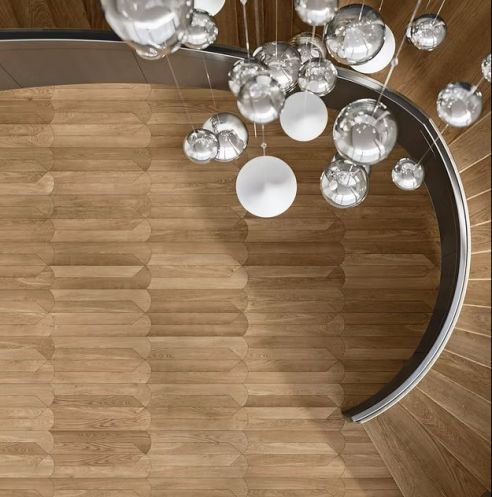
Contemporary residential builds across Australia are increasingly moving beyond the minimum standard ceiling height of 2.4 metres. Today, many new homes are designed with ceiling heights averaging between 2.55 and 2.7 metres, and sometimes even higher in bespoke architectural designs, to enhance a sense of spaciousness and luxury. There is a very good reason for this ongoing architectural shift. According to recent environmental psychology research, environments with higher ceilings are more likely to be judged as beautiful, promote abstract thinking, and evoke positive emotions like joy. This phenomenon, often referred to as the Cathedral Effect, highlights how spatial volume directly impacts human mood. However, while grand vertical spaces inspire creativity and awe, they also present a unique design challenge for homeowners. Without intentional styling, these expansive rooms can easily feel cold, echoing, and devoid of the cosy intimacy required for everyday family living.
Scaling the Space with Statement Lighting
The most common mistake when decorating a tall room is focusing entirely on the floor level while leaving the upper volume completely empty. This creates an unbalanced aesthetic where furniture feels dwarfed by the towering walls above it. To maintain a sense of proportion, interior designers often rely on the golden ratio of lighting. This helpful guideline dictates that a statement light fixture should measure roughly 2.5 to 3 inches in height for every foot of ceiling height, ensuring the piece commands the necessary visual weight.
For double-height spaces or open-plan designs, proper vertical scaling is absolutely essential to ensure fixtures anchor the room rather than getting lost in the visual void. Choosing the right piece is a critical step in the design process, which is why interior experts often recommend specific living room chandeliers for high ceilings to elegantly bridge the vertical gap. A well-proportioned, naturally inspired lighting installation not only draws the eye upward to celebrate the room’s height but also creates a warm ambient glow that makes the vast space feel much more grounded and welcoming after sunset.
Bringing Warmth Through Texture and Nature
Once the visual scale is addressed with proper lighting, the next step is softening the room’s strict geometry. High clerestory windows are incredibly popular in modern Australian architecture for maximising daylight penetration, but all that glass and open space can occasionally lead to a sterile atmosphere. Softening these areas requires a deliberate layering of organic textures and natural elements. Bringing nature indoors remains a cornerstone of modern styling, and integrating these elements beautifully aligns with current home decor trends focusing on wellness and relaxation. Incorporating tall indoor plants, such as a mature Ficus or a trailing Pothos, can effectively fill empty vertical corners while introducing vibrant colour and life.
Acoustic management is another vital consideration in rooms with tall ceilings. To prevent everyday conversations from echoing uncomfortably, homeowners should focus on introducing plush furnishings, heavy area rugs, and textured timber wall panelling. The emerging Neo Deco trend, which heavily features rounded furniture and curved archways, is particularly effective in these large spaces. The soft, flowing lines of curved sofas, rounded coffee tables, and circular floor rugs provide a welcome visual counterweight to the imposing, straight lines of tall walls and massive windows.
Practical Comfort and Climate Control
Aesthetic warmth is only half the equation, as physical warmth is just as crucial in an expansive environment. According to Australian energy data, heating and cooling account for approximately 40 percent of total household energy consumption. This figure scales up significantly in high-ceiling rooms due to the massive increase in air volume, particularly during the brisk winter months in cooler regions like Melbourne and Hobart.
To maintain everyday comfort without skyrocketing your quarterly energy bills, consider implementing the following practical styling and functional upgrades:
- Install reversible ceiling fans: Mounting stylish fans on extended drop rods helps manage airflow efficiently year-round. In winter, reversing the blade direction pushes trapped radiant heat back down to the living level where it is needed most.
- Utilise radiant infrared heating: Instead of expending energy to heat massive volumes of rising air, radiant panels directly warm the objects, furniture, and people located in the room, offering a highly efficient alternative to traditional forced-air systems.
- Layer heavy window treatments: Installing thick, floor-to-ceiling drapes not only provides crucial thermal insulation but also adds a luxurious, sound-absorbing texture to the walls. Pairing heavy drapes with sheer curtains offers daytime privacy without sacrificing natural light.
- Zone your layout: Arrange your furniture into intimate, clustered zones rather than spreading individual pieces far apart. This creates smaller pockets of functional space within the larger room, making socialising much more inviting and manageable.
High ceilings are an undeniable architectural luxury that provides a wonderful sense of freedom, light, and sophistication. By thoughtfully scaling your lighting, layering organic textures, and implementing smart climate control strategies, you can easily tame an echoing expanse. The result is a beautifully balanced home that feels grand and impressive, yet undeniably warm, comfortable, and welcoming for family and guests alike.
Discover more from
Subscribe to get the latest posts sent to your email.
