
What You Should Know After a House Fire
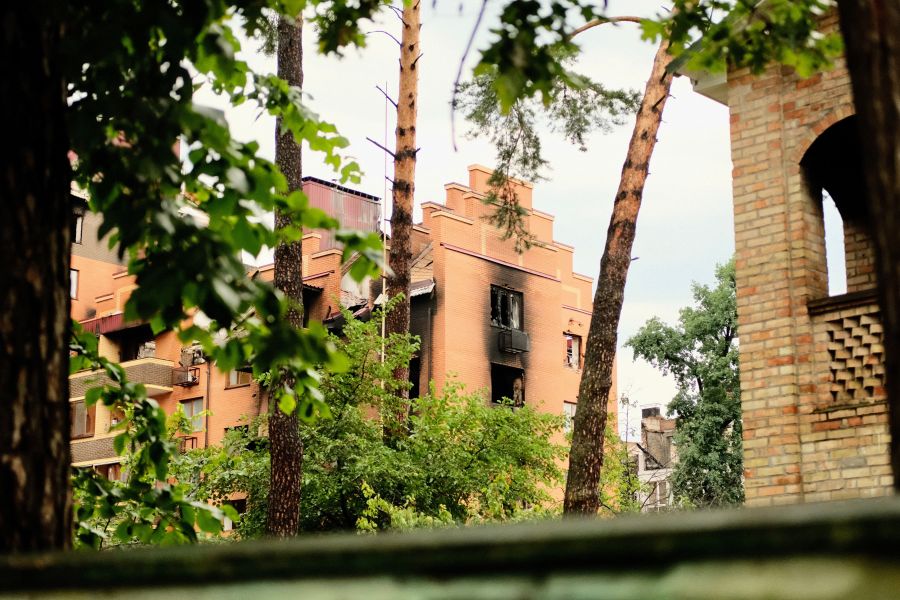
A house fire can flip your normal routine in minutes. One minute you’re looking for your charger, and the next you’re figuring out where you’ll sleep tonight. Beyond the obvious damage, fire leaves behind smoke, water, debris, and a long list of decisions that feel urgent all at once. If you know what to expect, you can protect your health, your money, and your chances of getting your home back in shape without making costly mistakes.
Start With Safety, Not Salvage
After a fire, your first instinct might be to save whatever you can. That reaction makes sense, but the property may still be dangerous long after the flames are out.
Structural damage, hidden hot spots, broken glass, exposed wiring, and contaminated water can turn a bad day into a worse one. Even soot can be hazardous when you breathe it in or spread it around.
Wait until the fire department says it’s safe to enter. If you go inside, wear gloves, sturdy shoes, long sleeves, and a proper mask. Don’t switch utilities back on yourself unless a professional clears them.
Take photos before moving anything. That includes walls, ceilings, furniture, appliances, and personal items. Your phone camera becomes a surprisingly important tool here. Try to document each room carefully, even if it looks like a movie set after the disaster scene.
Call the Right People Early
Once everyone is safe, start contacting the people and services that affect your next steps. Your insurance carrier should be high on the list, along with your landlord if you rent.
Ask your insurer what emergency repairs are allowed right away and what documentation they need. Keep every receipt, including hotel stays, meals, cleaning supplies, and boarding costs if pets are involved.
You may also need help from restoration specialists who handle cleanup, deodorizing, drying, and structural repairs. A professional fire damage restoration service typically addresses the full scope of post-fire recovery, not just the burned materials you can spot immediately.
If the damage is major, loop in a licensed electrician, plumber, or structural contractor as needed. This part isn’t glamorous, but it keeps you from guessing your way through technical problems that can carry serious safety risks.
Understand the Hidden Damage Fire Leaves Behind
Flames get all the attention, but smoke and soot often create damage well beyond the burn area. You might see a blackened kitchen, while the hallway and bedrooms look mostly fine. Looks can be misleading.
Smoke particles travel through vents, settle into fabrics, and cling to paint, insulation, and wood. Soot can be acidic, which means it may keep damaging surfaces if cleanup is delayed. That faint smoky smell is also more persistent than people expect.
Water from firefighting adds another layer of trouble. Wet drywall, soaked carpets, and trapped moisture can create mold within a day or two. Fire cleanup usually involves more than sweeping up ash and tossing ruined items into a dumpster.
A realistic recovery plan considers all three issues at once: fire, smoke, and water. Ignore one, and the other two tend to stage a comeback.
Work With Insurance Without Getting Lost in the Process
Insurance claims can feel like a second emergency, just with more paperwork and fewer sirens. The process moves faster when you stay organized from the start.
Create a running inventory of damaged belongings. Include item names, approximate age, condition, and estimated value if you know it. Photos, receipts, emails, and bank statements can all help support the claim.
Read your policy carefully, especially sections on dwelling coverage, personal property, additional living expenses, and exclusions. If anything sounds like it was written by a robot lawyer from another planet, call and ask for plain-language clarification.
Don’t throw out damaged items until the adjuster says it’s okay, unless they create a health hazard. If something must be discarded, photograph it first. Keep notes on every phone call, including dates, names, and what was discussed. A simple spreadsheet can save you a lot of stress later.
Clean Carefully and Know What Not to DIY
A little cleanup may be fine, but deep fire recovery is not an ideal weekend project. Soot smears easily, and using the wrong cleaner can permanently set stains or spread residue.
For example, wiping soot from walls with water alone often makes the mess worse. Smoke odors also sink into insulation, ductwork, curtains, and upholstery. Air freshener won’t win that fight.
If the affected area is small and you’ve been cleared to enter safely, focus on simple steps:
– Open windows only if outdoor conditions allow safe ventilation
– Remove clean, undamaged valuables from the area
– Avoid using electronics exposed to heat or water
– Separate salvageable textiles from destroyed ones
– Don’t eat food exposed to heat, smoke, or firefighting chemicals
Professional equipment such as air scrubbers, dehumidifiers, moisture meters, and thermal imaging tools exists for a reason. Sometimes the smartest move is knowing when not to play cleanup hero.
Protect Your Health During the Recovery
Post-fire health risks often get overlooked because the emergency seems “over.” In reality, the recovery phase can expose you to ash, mold, chemical residues, and poor air quality.
Children, older adults, and people with asthma or respiratory conditions may be especially sensitive. Even healthy people can develop headaches, coughing, eye irritation, or skin problems after spending time in a damaged home.
Wash exposed skin after contact with debris. Bag contaminated clothing separately. Replace HVAC filters if the system is safe to inspect, and ask whether duct cleaning is needed.
If you notice chest tightness, dizziness, or persistent breathing issues, get medical advice promptly. You don’t get extra points for trying to tough it out. Recovery is already demanding enough without adding avoidable health problems to the list.
Plan for the Emotional and Practical Side of Recovery
A house fire isn’t only a property event. It can mess with your focus, sleep, appetite, and sense of normal life. Losing everyday items feels strangely personal because those objects are tied to routine and memory.
Give yourself room to deal with that while also handling practical tasks. Set up a temporary base for essentials: medications, chargers, documents, school or work items, toiletries, and a few changes of clothes.
Tell your employer, teachers, or close contacts what happened if deadlines or responsibilities may be affected. Many people want to help, but they need specifics. “Can you store two boxes?” works better than “Let me know if you need anything.”
If you feel overwhelmed, ask a friend to help manage calls or paperwork. Fire recovery tends to involve a lot of waiting, decisions, and repeated explanations. That drains energy faster than most people expect.
Rebuilding Smart Can Reduce Future Risk
Once cleanup turns into rebuilding, you have a chance to make the home safer than it was before. That part deserves some thought, even if you’re eager to get everything back to normal.
Consider upgrades such as interconnected smoke alarms, fire-rated materials, surge protection, and clearer escape routes. If cooking caused the fire, revisit kitchen habits and equipment placement. If wiring was the issue, ask whether your electrical system needs broader updates.
You can also create a simple home inventory for the future, stored digitally with photos and serial numbers. Keep important documents backed up in the cloud or a fire-resistant safe.
No one plans for a fire because it sounds fun on the calendar. Still, better preparation, smart restoration choices, and careful documentation can make a brutal situation much easier to navigate if it ever happens again.
Discover more from
Subscribe to get the latest posts sent to your email.

Leave a Reply