
How Online Prep Schools Are Changing Teen Life and Learning
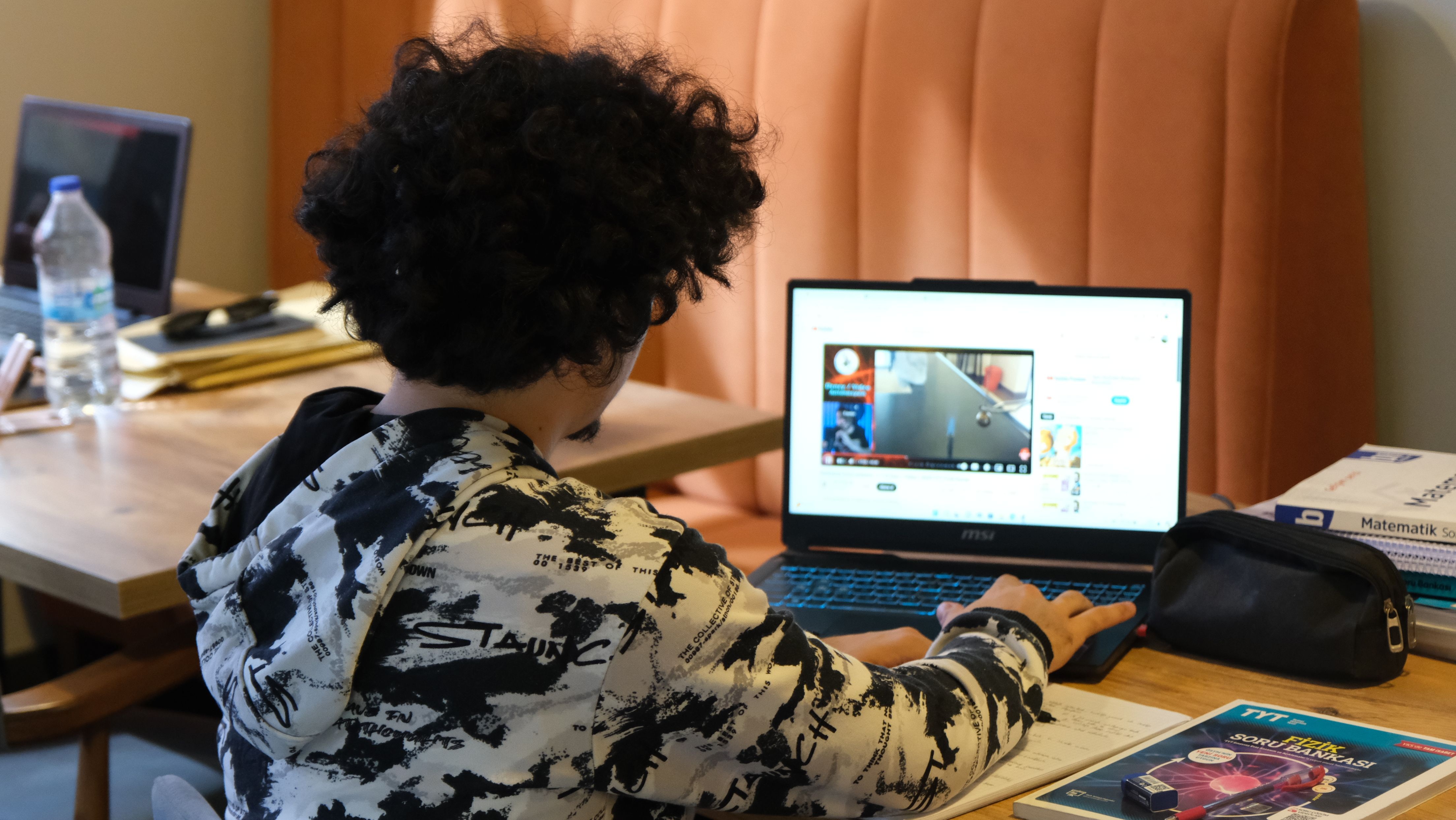
If you’re paying attention to how teens learn now, online prep schools are hard to ignore. Arizona often ends up in that conversation because the state has been unusually active in digital education and school-choice models. For students juggling sports, jobs, family responsibilities, or a learning style that doesn’t fit a standard bell schedule, prep school online can feel less like a trend and more like a practical reset.
The Skills You Build Go Beyond Academics
One of the biggest myths about online learning is that it’s only about screens and assignments. In practice, it can train you in habits that matter well past graduation. You learn how to manage time, communicate clearly in writing, and keep track of multiple responsibilities without someone hovering nearby every hour.
That kind of self-direction is useful in college, work, and pretty much any adult situation where no one hands you a gold star for opening your planner. If you’ve ever missed a deadline because life got chaotic, you already know how valuable structure can be.
Programs connected to prep schools like ASU Prep are often part of a broader conversation about preparing students for college-level expectations earlier, not just moving worksheets onto a laptop. That distinction matters more than glossy marketing language ever will.
What Makes Online Prep Schools Different From Regular High School
A traditional high school usually runs on fixed periods, crowded hallways, and a pace set for the middle of the pack. Online prep schools shift that formula. You still deal with deadlines, grades, and academic expectations, but the structure is often more flexible and more personalized.
That can mean working ahead in English, slowing down in chemistry, or meeting with teachers in smaller virtual settings. Instead of being tied to one classroom rhythm, you get more room to build a routine around how you actually learn.
The “prep” part matters too. These schools often lean harder into college readiness, time management, and independent work. You’re not just finishing assignments. You’re learning how to handle a system that expects you to steer the ship without crashing it into procrastination island.
Why More Families Are Looking at Flexible Learning Options
A lot of families aren’t chasing novelty. They’re reacting to real friction in everyday life. Long commutes, social stress, inconsistent classroom experiences, health concerns, and packed extracurricular schedules can turn a standard school setup into a bad fit.
Flexible learning gives you breathing room. If you’re training seriously in a sport, helping care for siblings, or managing anxiety, a less rigid schedule can reduce the constant scramble. That doesn’t make school easy. It makes it more workable.
Some families also want stronger academic alignment. A student who’s bored in class may need acceleration, while another may need more direct support without the pressure of keeping up appearances. Digital prep programs can sometimes provide both at once, which sounds rare because it is.
The Social Side Isn’t Gone, but It Does Change
A common concern is whether online prep school feels isolating. Fair question. High school isn’t just academics. It’s also friendships, awkward group projects, clubs, and the occasional cafeteria moment you’ll laugh about years later.
Online environments don’t automatically erase social interaction, but they do reshape it. You may connect through virtual clubs, discussion boards, group assignments, school events, and hybrid meetups when available. The quality of that social experience often depends on how intentionally the school builds community.
For some students, this setup is actually a relief. Fewer daily social pressures can improve focus and confidence. For others, it takes effort to stay connected. You need to be honest with yourself here. If you thrive around people, your social plan can’t be “I’ll figure it out later.” That strategy has terrible attendance.
Who Tends to Benefit Most From This Model
Online prep school isn’t a magic fix, and it doesn’t suit every student. It tends to work best when you need flexibility and can handle at least some independence. That includes students who are academically motivated, dealing with travel-heavy activities, recovering from burnout, or looking for a safer and calmer learning environment.
You may also benefit if your local school simply isn’t offering the courses or support you need. Maybe you want more advanced classes, a different pace, or a stronger pathway toward college planning. Sometimes the issue isn’t effort. It’s fit.
Students who struggle with self-management can still succeed, but they usually need clear support systems at home and consistent check-ins. Freedom sounds great until Tuesday disappears and your algebra assignment goes missing in action. Flexibility works best when paired with routine.
What You Should Check Before Enrolling Anywhere
Not all online prep schools operate at the same level, so a little skepticism is healthy. Start with accreditation, curriculum quality, teacher access, student support, and how attendance actually works. Some schools offer strong advising and live instruction. Others lean too heavily on independent modules and call it innovation.
You should also look at course offerings, graduation requirements, extracurricular options, and whether there’s help for college admissions, tutoring, or mental health support. Ask how quickly teachers respond and how often students meet with real humans, not just dashboards.
It helps to think about your day-to-day life too. Do you have reliable internet, a quiet place to work, and a schedule that won’t collapse by week two? A school can be excellent on paper and still be the wrong fit if your home setup makes consistent learning difficult.
How Online Prep Schools Fit Into the Bigger Education Shift
Online prep schools reflect a larger change in what people expect from education. The old one-size-fits-all model has been under pressure for years. Students want more customization, families want more options, and colleges increasingly recognize that learning pathways aren’t identical.
That doesn’t mean every digital school model is brilliant. Some are thoughtful, student-centered systems. Some are basically a login page with ambition. Still, the broader shift is real. Education is becoming less tied to one building and more tied to access, adaptability, and outcomes.
For you, that means school choice is no longer just a policy debate adults have on panels. It affects how you spend your day, how you prepare for college, and how much control you have over your learning environment. That’s not a small change. It’s a structural one.
Choosing a School That Matches Real Life
The best school setup for you isn’t the one with the flashiest branding or the trendiest tech stack. It’s the one that matches your goals, your habits, and the reality of your week. If you need flexibility, stronger academic focus, or a reset from a system that isn’t working, online prep school may be worth serious consideration.
You should still ask tough questions and look past the polished language. A good program needs solid teaching, clear expectations, and real support. When those pieces are in place, online prep schools can offer something many students need: a chance to learn in a way that feels demanding, manageable, and built for actual life instead of a generic template.
Discover more from
Subscribe to get the latest posts sent to your email.

Leave a Reply