
Signs that Indicate Your Home Exterior Needs Attention
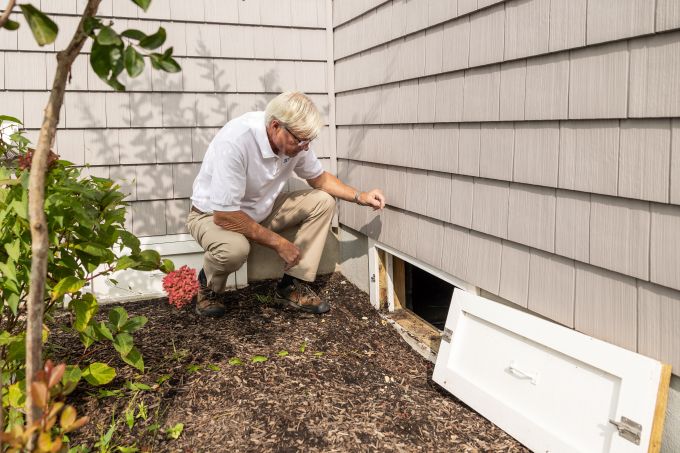
Your home’s exterior does more than make a first impression. It protects you from weather, pests, moisture, and expensive structural headaches. If you live in a place like Pittsburgh, where freezing winters, humid summers, and stormy swings are part of the deal, that outer shell takes a beating. A few subtle warning signs can turn into major repairs if you ignore them, so it helps to know what to watch for before your house starts sending louder signals.
Your siding does more work than you probably think
Most people notice siding when it looks faded or dirty. The bigger issue is performance. Siding acts like armor for your house, helping block moisture, wind, and temperature extremes while also supporting curb appeal.
When it starts failing, the problems are rarely cosmetic only. Cracks, warping, bubbling, and loose panels can let water sneak behind the surface. Once moisture gets in, mold, rot, and insulation damage may follow.
If you have older materials, routine wear may show up faster than expected. Pittsburgh homes often deal with freeze-thaw cycles that push exterior materials hard. Your siding is not just standing there looking nice. It is on shift every day, and weather does not take holidays.
Early warning signs you should not brush off
Small exterior issues often get dismissed because they seem harmless. A little discoloration here, a tiny crack there, maybe one loose piece after a storm. That casual approach can get expensive.
Watch for signs like:
– Peeling paint indoors near exterior walls
– Higher energy bills without a clear reason
– Soft spots or rot around the lower edges of walls
– Mold, mildew, or streaking that keeps coming back
– Panels that look warped, swollen, or uneven
– Excessive maintenance just to keep things presentable
These clues often point to deeper trouble beneath the surface. Water intrusion is especially sneaky. It can move quietly through wall assemblies long before you see obvious damage. If your home exterior looks tired and your utility bills are acting dramatic, that is worth a closer look.
Weather in Pittsburgh is not exactly gentle on exteriors
If you own a home in western Pennsylvania, you already know the climate can be unpredictable. One week might bring driving rain, the next an icy blast, then a humid stretch that makes everything feel sticky.
That cycle matters because siding expands and contracts with changing temperatures. Over time, repeated movement can loosen seams, create gaps, and weaken the overall system. Add wind, snow loads, and moisture, and the wear starts to stack up.
Homeowners considering siding replacement in Pittsburgh often reach that point after years of patching storm damage, repainting faded sections, or dealing with water-related issues. In a climate like Pittsburgh’s, exterior materials need to do more than look good on listing photos. They need to hold the line against real seasonal stress.
Repairs can help, but they are not always the smart long-term move
A repair is often the right call when damage is isolated. One cracked panel after a storm or a loose section near a corner does not always mean you need a full replacement.
Still, repeated repairs can become a money pit with decent manners. If your contractor keeps fixing one area while new issues pop up elsewhere, your siding system may be reaching the end of its useful life.
Age matters too. If your siding is decades old, matching materials may be difficult, and hidden deterioration may be spreading beyond the visible problem. At that stage, replacing everything can be more cost-effective than playing exterior whack-a-mole every few months.
A smart assessment looks at labor costs, insulation performance, moisture risk, and how long the repaired section is likely to last.
Energy efficiency is often part of the exterior conversation
When people think about insulation, they usually picture attics or windows first. Siding deserves a seat at that table. Damaged or aging exterior cladding can contribute to air leaks and reduced thermal performance.
That means your HVAC system may work harder to keep indoor temperatures stable.
When your heating and cooling equipment struggles alongside exterior efficiency losses, managing cooling performance becomes equally vital for consistent indoor temperatures. Reviewing options for local cooling maintenance or air conditioning care can help keep systems running smoothly, so you can see details on how proper climate controls reduce overall household strain.
You feel it in uneven rooms, drafty walls, and utility bills that climb without asking permission.
Modern siding systems often come with better moisture management and improved insulation options. While siding alone will not magically solve every efficiency issue, it can be a meaningful part of a broader upgrade.
If your home always feels too cold in winter or too warm in summer near exterior walls, the problem may not be your imagination. Your house might be quietly leaking comfort, which is about as rude as architecture gets.
Material choice affects maintenance, durability, and appearance
Not all siding performs the same way. Some materials are lower maintenance, while others offer a specific style but demand more upkeep over time.
Vinyl remains popular because it is affordable and relatively easy to maintain. Fiber cement is valued for durability and resistance to pests and fire. Engineered wood can offer a classic look with modern treatment benefits. Each option comes with tradeoffs in cost, lifespan, maintenance, and installation complexity.
When comparing materials, think beyond the upfront price. Consider:
– How often it needs maintenance
– How it handles moisture and temperature changes
– Expected lifespan in your climate
– Color retention and fade resistance
– Repair options if damage occurs
The best choice depends on your budget, your home’s design, and how hands-on you want to be with upkeep.
Installation quality matters as much as the product itself
Even excellent siding can underperform if it is installed poorly. Gaps, bad flashing, weak moisture barriers, and sloppy trim work can all create problems that show up later.
That delayed trouble is part of what makes exterior work tricky. A fresh installation may look perfect at first, then reveal issues after the first heavy rain or winter freeze. Good workmanship is not just about straight lines and clean edges. It is about water management, ventilation, fastening methods, and proper integration with the rest of the building envelope.
When evaluating contractors, ask specific questions. How do they handle underlayment? What happens around windows and doors? Will they inspect for hidden rot before installation? A polished sales pitch is nice, but details are where the real protection lives.
Timing your project can save stress and prevent bigger damage
Many homeowners wait until damage becomes obvious from the street. By then, the problem may have moved well past the outer layer.
A better approach is to act when signs first appear, especially after harsh weather seasons. Spring and early fall are often popular times for exterior projects because conditions are more predictable, but demand can rise fast.
If you are planning a replacement, scheduling before peak emergency season may give you better contractor availability and more time to review options. It also lowers the chance that a small issue turns into interior damage during the next storm cycle.
Your home rarely falls apart overnight. It usually drops hints, then warnings, then invoices. Paying attention early gives you more control, better choices, and a stronger exterior that can actually handle the climate you live in.
Pay attention to what your house is telling you
Exterior problems are easy to ignore because they develop gradually. A bit of warping, a little moisture, some fading. Nothing dramatic, until it is.
If your siding is showing wear, costing more to maintain, or struggling against local weather, it may be time for a serious evaluation. You do not need to panic, and you do not need to guess. You just need to look closely, ask smart questions, and treat your home exterior like the protective system it is.
A house that looks fine but performs poorly is not really fine. Catching issues early can help you avoid larger repairs, improve energy performance, and keep your home looking sharp without constant patchwork.
Discover more from
Subscribe to get the latest posts sent to your email.

Leave a Reply