
Signs Your Roof Needs Attention Before It Turns Into a Major Problem
Your roof rarely asks for attention politely. It usually sends hints first, then starts causing expensive chaos. If you ignore those early warnings, a small repair can snowball into water damage, mold, insulation issues, and a repair bill that feels personal. If you want to stay ahead of the mess, you need to know what to watch for. A roof does a lot of quiet work, but it never stays quiet forever.
Your shingles can tell you more than you think
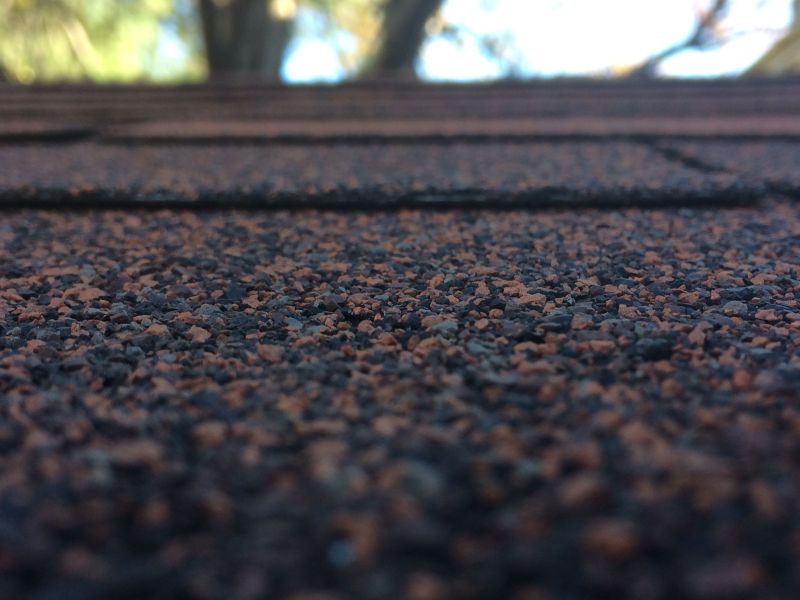
Shingles are one of the easiest ways to spot roof trouble without climbing up like an action hero with bad judgment. If you notice curling edges, cracked surfaces, bald spots, or shingles that look patchy, your roof may be aging faster than it should.
After storms, check the ground around your home too. Loose shingles or granules in your gutters often point to wear that’s already underway. Granule loss matters because those tiny pieces help protect your roof from UV damage.
A newer roof should look consistent across the surface. If one section looks tired while the rest looks fine, that can signal trapped moisture, poor installation, or uneven sun exposure. Small visual changes often lead to larger structural problems if left alone.
Water stains inside your home are not just cosmetic
A ceiling stain may look harmless at first, especially if it dries and stops spreading. That stain still means water found a route into your home, and roofs are excellent at hiding the real source of the leak.
Look for yellow or brown discoloration on ceilings, bubbling paint, peeling drywall, or damp spots in the attic. Water can travel along beams and insulation before dripping somewhere visible, which makes diagnosis tricky.
Leaks don’t always show up during dramatic weather. A slow leak can appear after light rain if flashing around vents, chimneys, or skylights has failed. That’s where a professional inspection becomes useful. A trusted roofing company can identify whether you need a repair, partial replacement, or a closer look at problem areas before interior damage spreads.
Your gutters may be exposing roof issues
People tend to think of gutters as a separate system, but they work closely with your roof. If they’re sagging, overflowing, or constantly filling with shingle granules, your roof may be under stress.
Clogged gutters trap water near the roof edge. That standing moisture can rot fascia boards, loosen shingles, and create the kind of slow damage that stays hidden until it becomes expensive. In colder areas, poor drainage also increases the risk of ice dams, which can force water underneath roofing materials.
Check whether water spills over the sides during rain or pools near your foundation. That runoff pattern can point to roofing and drainage issues happening at the same time. A roof system is only as good as its ability to move water away quickly and cleanly.
Flashing failure is one of the sneakiest roof problems
Flashing is the metal material installed around roof joints, vents, skylights, and chimneys. It doesn’t get much attention, but when it fails, leaks tend to follow. Think of it as the detail work that keeps vulnerable areas sealed.
You might notice rust, lifted edges, cracked sealant, or gaps where flashing meets other materials. Those signs usually mean water has more opportunities to get in during rain and wind. Bad flashing can also come from rushed installation or old repairs that relied too heavily on caulk and optimism.
This issue matters because roof penetrations are natural weak points. Even if your shingles still look decent, damaged flashing can create leaks that spread into decking and insulation. A targeted repair here can prevent a much larger restoration project later.
Your attic often reveals what your roof is hiding
If you want a better sense of roof health, your attic is one of the smartest places to look. You’re checking for moisture, ventilation problems, and signs that outside air or water is getting where it shouldn’t.
Watch for damp insulation, moldy smells, dark wood, frost buildup in winter, or visible daylight coming through the roof boards. None of those are charming attic quirks. They usually mean your roof system or ventilation setup needs help.
Poor attic ventilation can make roofing materials age faster by trapping heat and moisture. In summer, that heat buildup can push cooling costs higher. In winter, moisture can condense and damage structural components. Roofing performance isn’t just about what sits on top of your house. It also depends on airflow, insulation, and how the whole assembly works together.
Storm damage isn’t always obvious from the ground
A heavy storm can bruise a roof without leaving dramatic evidence. Hail, high winds, and flying debris often cause damage that looks minor at first but weakens the roof over time.
You may see dented vents, displaced shingles, bent flashing, or branches scraping across the surface. Some damage is subtle, especially with asphalt shingles, where hail impacts can knock off granules without creating holes right away.
That delay is what makes storm damage tricky. Problems may not show up until the next big rain or the next temperature swing. If your area recently had severe weather, it’s smart to schedule an inspection even if your ceiling still looks fine. Insurance timelines can also matter, so waiting too long may complicate claims and repair planning.
Age still matters, even if your roof looks decent
A roof can look okay from the driveway and still be nearing the end of its service life. Most asphalt shingle roofs last around 20 to 30 years, though climate, ventilation, installation quality, and maintenance all affect that number.
If your roof is getting older, pay closer attention to repeated repairs, granule loss, and any signs of sagging or moisture intrusion. At a certain point, patchwork starts costing more than it saves. You don’t want to keep feeding money into a roof that’s already waving a white flag.
Ask about the age of the materials, not just the age of the house. Previous owners may have replaced sections but not the full system. Knowing your roof’s timeline helps you plan ahead instead of getting blindsided by a leak during the least convenient week of the year.
Quick action usually saves money and stress
Roof problems rarely improve with patience. They improve with inspection, maintenance, and repairs handled before water gets comfortable inside your home. If you notice stains, missing shingles, gutter issues, or attic moisture, treat them as early warnings rather than background noise.
A practical routine helps:
– Inspect your roof visually after major storms
– Check ceilings and attic spaces every few months
– Keep gutters clear and draining properly
– Document any damage with photos
– Schedule a professional inspection when signs appear
You don’t need to panic every time you spot wear. You do need to act before minor deterioration turns into structural damage. A well-maintained roof protects your home, lowers long-term costs, and saves you from discovering a leak at 2 a.m. during a thunderstorm, which is a terrible time for surprise home improvement.
Discover more from
Subscribe to get the latest posts sent to your email.

Leave a Reply