
Building a Recovery Plan That Fits Work, Family, and Daily Life
Recovery is not limited to an appointment, a support meeting, or a single milestone. It happens during commutes, family dinners, difficult workdays, quiet evenings, and ordinary routines. A practical plan can help turn broad intentions into realistic steps to follow when life feels busy. People seeking structured support may consider options such as Innovative Health Systems alongside conversations with qualified healthcare professionals and trusted people in their lives. The right approach is personal, and a plan should account for both recovery needs and everyday responsibilities.
Why Recovery Plans Need to Fit Real Life
A plan that only works on a calm, open day may be difficult to maintain. Work shifts change, children get sick, transportation falls through, and stress can rise without warning. Flexibility does not mean leaving everything undefined. It means identifying a primary option and a backup option for important supports. For example, a parent may need an evening support option after bedtime, while someone with a long commute may need care near home, work, or a transit route. A useful recovery plan makes room for those realities instead of treating them as personal failures.
What to Include in a Recovery Plan
Keep the plan simple enough to review during a stressful day. A phone note, notebook page, or printed sheet can include:
- Personal goals: One immediate goal and one longer-term goal, such as attending scheduled care or rebuilding trust with a supportive person.
- Care schedule: Therapy, medical appointments, medication follow-ups, group meetings, or peer check-ins.
- Daily needs: Sleep, meals, housing, transportation, childcare, work demands, and rest.
- Support contacts: Trusted relatives, friends, peers, providers, and crisis contacts.
- Warning signs: Personal changes that can signal increasing stress or risk.
- Safety steps: Clear actions to take if immediate support is needed.
- Progress markers: Completed actions, not perfection, such as making a call or keeping an appointment.
How to Build the Plan
- Choose one clear goal for the next week.
- Map current commitments, including work, family duties, travel, meals, and rest.
- Notice gaps when isolation, fatigue, stress, or cravings may become harder to manage.
- Add practical help, such as reminders, a ride, childcare coverage, or a scheduled check-in.
- Create a backup for missed appointments or unexpected schedule changes.
- Share only the parts of the plan that trusted supporters need to know.
- Review the plan each week and adjust what is not working.
Creating Daily Routines That Last
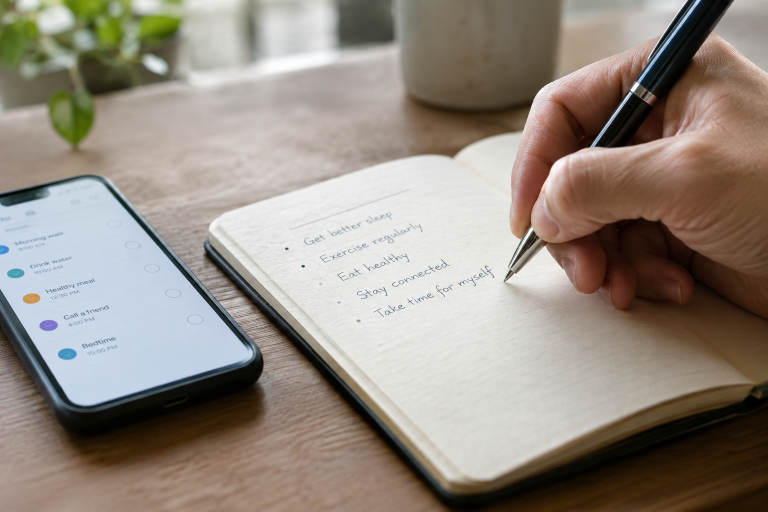
Small habits can reduce the number of decisions a person must make when energy is low. Consistent wake times, regular meals, medication reminders, movement, and a short period of quiet time may all support a steadier day. Pairing a new habit with an existing one can help, such as sending a check-in text after breakfast or preparing tomorrow’s transportation plan before bed. Routines should support health, not create guilt. If a day goes off course, the next helpful action matters more than trying to make the day look perfect.
Balancing Work, Family, and Recovery
Work, caregiving, privacy concerns, financial pressure, and household conflict can all affect follow-through. Rather than trying to redesign an entire week, reserve two small blocks of time for care. One person might use a lunch break for a telehealth appointment and set aside 20 minutes after dinner for a support call or journal entry. Healthy boundaries also matter. A person may decide which details to share at work, ask a family member for a specific type of help, or set aside a regular period for rest. Recovery support can involve clinical care, peer connection, and assistance with practical daily needs.
Building a Strong Support Network
A strong network does not have to be large. Professional support can address treatment needs; peer support can offer shared understanding; family or friends can encourage; and community connections can help reduce isolation. The recovery supports described by SAMHSA can help people understand the range of services and supports available to them. Choose dependable people who respect privacy and boundaries. Ask for specific help when possible, whether that means a ride, a reminder, a meal, childcare, or a weekly conversation. Regular contact before a crisis can make it easier to reach out later.
Spotting Warning Signs Early
Warning signs are personal, but patterns may include missed appointments, withdrawal from supportive people, disrupted sleep or appetite, escalating conflict, increasing cravings, or returning to environments connected with past substance use. Feeling unable to ask for help can also be an important signal. A qualified professional can help identify patterns and appropriate next steps.
What to Do After a Setback
- Focus first on immediate safety.
- Contact a trusted person, care provider, or support service.
- Review what happened without relying on shame or blame.
- Identify a trigger, barrier, or missing layer of support.
- Add one practical change to the plan and return to care promptly.
If there is immediate danger, thoughts of self-harm, an overdose concern, or severe emotional distress, call emergency services or contact the 988 Lifeline for immediate crisis support. A return to substance use does not erase earlier progress, but it can signal that the plan needs timely adjustment.
When to Review or Change the Plan
Review the plan after a job change, move, relationship change, medical update, medication adjustment, rising stress, or repeated difficulty maintaining appointments. Regular weekly or monthly check-ins can also help keep the plan current. Speak with a qualified provider before making changes to prescribed medication or treatment.
Common Questions About Recovery Plans
How long should a recovery plan be?
A one-page version may be enough for daily use. A more detailed version can hold appointment information, emergency contacts, warning signs, and backup steps.
Who should see the plan?
Share it only with people who have a clear, trusted role in providing support. Privacy should remain part of the decision.
Can the plan include medication?
Yes. It can include reminders, follow-up dates, questions for a prescriber, and emergency information. Medication decisions should remain with a qualified medical professional.
What if work makes treatment difficult?
Ask providers about scheduling options, telehealth when appropriate, and services that fit into your schedule before or after work. Consider qualified legal or workplace guidance when privacy and employment protections are concerns.
Conclusion
A strong recovery plan is personal, flexible, and practical. It should help with ordinary days, stressful moments, changing responsibilities, and unexpected challenges that may affect a person’s routine. A useful plan can include clear steps, trusted sources of support, healthy coping strategies, important contacts, and reminders for situations that may require additional help. It should also leave room for adjustments because needs, schedules, and circumstances can change over time. Reviewing the plan regularly can make it easier to identify what is working, what feels difficult to maintain, and where additional support may be helpful. The best plan is not the longest document. It is the one a person can realistically use, revisit, and strengthen with support over time while remaining practical enough to fit into everyday life.
Discover more from
Subscribe to get the latest posts sent to your email.

Leave a Reply