
How to Choose a New Signature Scent: A Practical Guide to Fragrance Families, Sampling, and Wear
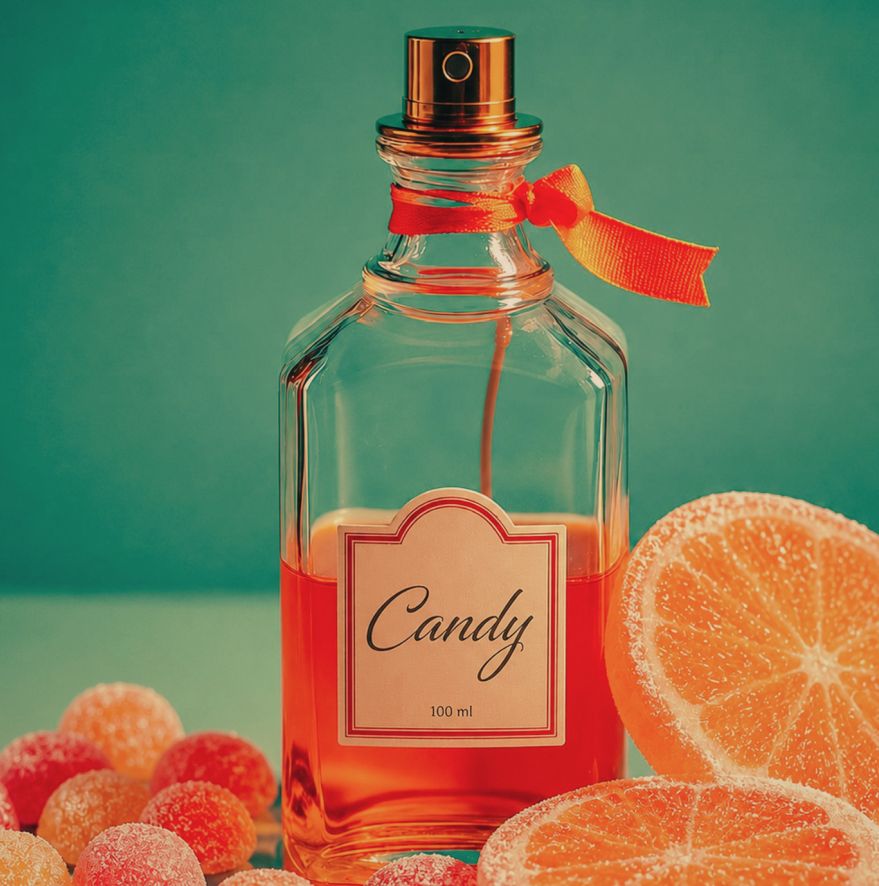
A signature scent is less about finding one bottle to wear forever and more about choosing fragrances that feel recognizably yours. The right scent can become part of a morning routine, a finishing touch before an event, or a small way to shift your mood. Exploring new French perfumes can be a useful starting point when you want to compare different styles rather than defaulting to the first familiar option.
The most successful choice is personal. A popular fragrance may be beautifully made, but it still needs to feel comfortable on your skin and appropriate for the way you live. Whether you prefer a single everyday favorite or a few options for different moments, use this guide to narrow the search with more confidence.
Why a Signature Scent Still Matters
Fragrance is an expressive part of personal style because it is closely tied to memory, atmosphere, and ritual. Still, a signature scent does not have to mean strict loyalty to one perfume. Your recognizable style might be a preference for airy musks, rich woods, bright citrus, or softly sweet amber notes across several bottles. A small rotation can preserve that sense of identity while giving you more practical options.
Start With Personal Preferences
Begin with scents you already enjoy in everyday life. Think about candles, tea, body lotion, fresh laundry, a garden after rain, a favorite dessert, or the smell of a forest. Write down three aromas you like and three you strongly dislike. Then describe the effect you want: crisp, creamy, dry, warm, green, clean, dark, or cozy. These simple preferences are more useful than chasing a trend or copying someone else’s fragrance collection.
Learn the Main Fragrance Families
Fragrance families provide a helpful vocabulary, not a set of rigid rules. Many perfumes combine several notes, and learning about perfume families can make descriptions on sample cards and product pages easier to interpret.
- Fresh: Citrus, aromatic herbs, water-like accords, and clean, airy effects.
- Floral: Rose, jasmine, orange blossom, iris, and other flower-focused profiles.
- Woody: Cedar, sandalwood, vetiver, patchouli, and dry or earthy facets.
- Amber: Warm, resinous, spicy, vanilla-like, or balsamic compositions.
- Fruity: Juicy, tart, bright, or softly sweet impressions.
- Musky: Skin-like, smooth, clean, and often understated drydowns.
Perfumes are often described through notes that appear in stages. The opening is what you notice first, the heart forms the central character, and the base becomes more noticeable as the scent settles. That progression is why a quick spray alone cannot tell you whether a fragrance truly suits you.

Match Fragrance to Mood and Setting
Think about where and when you will wear a scent. For work or shared spaces, a soft floral, clean musk, light wood, or citrus composition may feel polished without dominating the room.
Evenings can make space for deeper woods, warm amber, spice, or more dramatic florals. Fresh green and citrus styles often feel especially appealing in warm weather, while creamy, woody, musky, and resinous scents can feel comforting in colder conditions. The goal is not to follow a rule. It is to choose a level of presence that feels considerate and natural.
Test Fragrance on Skin
Start with a blotter to decide whether a fragrance deserves more attention, then test no more than two or three scents on skin during one visit. Apply each to a separate area, avoid heavily scented lotion beforehand, and make a quick note of your first impression. Skin warmth, moisture, and your own perception can all affect how a fragrance is experienced over time.
Test with comfort in mind
If a scent causes discomfort or visible irritation, wash it off and discontinue use. Fragrance ingredients can be a concern for some people, so reviewing guidance about allergens in cosmetics is sensible if you have known sensitivities or questions about a product.
Give the Scent Time to Develop
Give a skin test enough time to change. Revisit it after the first few minutes, again after 20 to 30 minutes, and later in the day if possible. Ask yourself three questions: Does this still smell pleasant? Does it fit the setting I had in mind? Would I genuinely want to wear it again tomorrow? The final question is often more valuable than the question of whether the opening felt exciting.
Consider Season, Climate, and Routine
Temperature and environment can change how noticeable a fragrance feels. In heat or humidity, use a lighter application and allow a stronger scent to breathe before adding more. In colder weather, a richer composition may feel less intense than it did in a warm store. Also consider your commute, office policies, travel plans, time outdoors, and how often you want to reapply. A fragrance should work with your real routine, not an imagined occasion.
Build a Flexible Fragrance Wardrobe
A small fragrance wardrobe can be more useful than a large collection of similar bottles. Consider keeping:
- An everyday scent for errands, work, and casual plans.
- A fresh option for warm days, travel, or active schedules.
- An evening option for dinners, celebrations, and dressed-up events.
- A comfort scent for quiet evenings and personal rituals.
Buy samples or smaller sizes before committing to a full bottle. Store fragrances upright, away from direct sunlight and strong heat, and give yourself time to finish or meaningfully use what you own before buying several near-duplicates.
Avoid Common Buying Mistakes
- Buying a full bottle after smelling only a paper strip.
- Testing so many scents at once that they become difficult to distinguish.
- Choosing solely because a fragrance is popular online.
- Equating strong projection with better quality.
- Ignoring the drydown and only judging the opening.
- Assuming a higher price guarantees a better personal match.
- Applying more fragrance than a shared environment calls for.
Use a Simple Final Checklist
- Does it reflect scents I already tend to enjoy?
- Do I like it after at least 30 minutes on the skin?
- Is the drydown still pleasant?
- Does it fit my climate, routine, and usual settings?
- Can I try a sample or a smaller size within my budget?
- Would I feel comfortable reaching for it often?
Choosing a signature scent should feel enjoyable rather than pressured. The best fragrance is one that feels memorable, comfortable, and easy to wear in your own life. Let your preferences lead, test patiently, and leave room for your scent choices to change with the season, setting, and mood.
Discover more from
Subscribe to get the latest posts sent to your email.
