
What People Believe About Life After Death: Faith, Culture, and the Questions That Remain
Key Takeaways
- Beliefs about life after death differ across faith traditions, cultures, and families.
- Christian hope is centered on God, resurrection, judgment, and eternal life.
- Words such as soul, spirit, mind, and identity can carry different meanings.
- Near-death experiences may be meaningful to individuals, but they do not settle spiritual questions for everyone.
- Compassionate conversation and practical care can support people who are grieving.
Questions about death are deeply personal because they touch love, loss, hope, and the meaning of human life. People often begin asking what comes next after losing someone close, facing illness, or reflecting on their own mortality. For Christians, Scripture offers meaningful guidance about dying according to the bible, including the promise of resurrection and eternal life through Christ.
People across cultures do not all use the same words or reach the same conclusions. Some place their confidence in God’s promises, some understand death through family traditions, and others see death as the end of personal consciousness. Listening with humility allows room for truth, grace, and sincere questions.
Table of Contents
- Why People Ask What Comes After Death
- How Major Belief Systems Describe Life After Death
- Soul, Spirit, Mind, and Identity
- Resurrection, Reincarnation, and Continuation
- Near-Death Experiences and Research
- Grief, Daily Life, and Faithful Conversations
- Common Questions
Why People Ask What Comes After Death
Death brings permanent change to earthly relationships, so it naturally raises questions that are emotional as well as theological. A person may seek comfort after a funeral, wonder whether they will see a loved one again, or desire wisdom for facing fear. These questions are universal, yet each person carries them differently. Clear answers should never replace patient listening.
How Major Belief Systems Describe Life After Death
Christian teaching holds that human beings are accountable to God and that Jesus Christ brings eternal life to those who belong to Him. Scripture presents bodily resurrection as central to Christian hope, not merely the survival of a memory or idea. Christians therefore look forward to life with God and the restoration He promises.
Other traditions offer different frameworks. Jewish communities have diverse views concerning resurrection and the world to come. Islamic teaching commonly emphasizes resurrection, judgment, and life beyond death. Hindu traditions generally teach reincarnation within a larger cycle of rebirth, while Buddhist traditions often describe rebirth without affirming a permanent, unchanging soul. Some Indigenous communities understand death in connection with family, land, ancestors, and communal memory. Secular perspectives may understand a person’s continuing influence through relationships, service, and legacy.
Soul, Spirit, Mind, and Identity
These words are familiar, but they are not always used in the same way. “Soul” may refer to the enduring inner life of a person. “Spirit” can refer to a person’s life, disposition, or relationship to God. “Mind” often describes thought, memory, and awareness. “Identity” includes the qualities, relationships, history, and commitments that make someone who they are.
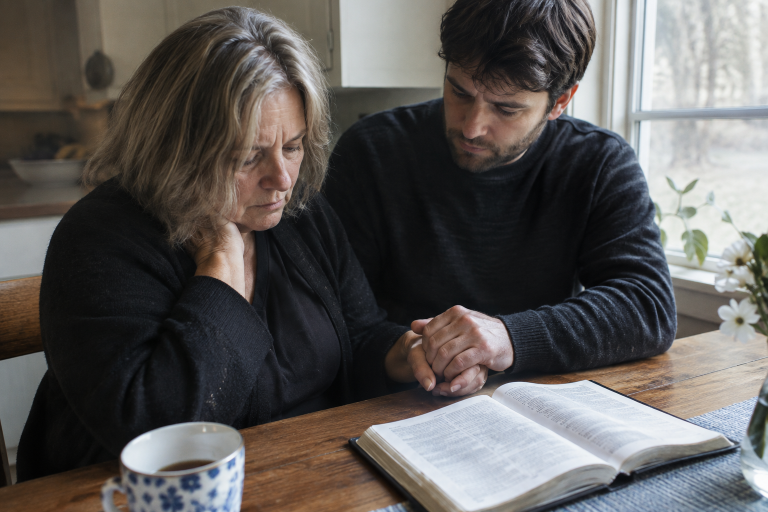
For Christian discipleship, these distinctions matter because the Bible speaks of people as embodied creatures made by God, not as isolated minds. Christian hope includes the whole person and rests on God’s faithful power rather than human effort.
Resurrection, Reincarnation, and Continuation
- Resurrection: God raises the dead and restores human life according to His purpose. This is the historic Christian hope.
- Reincarnation: Life is understood as returning in another body or form through repeated rebirth.
- Spiritual continuation: Some people believe personal existence continues in another realm or state.
- Legacy and memory: Others believe a person remains present chiefly through the influence they leave in loved ones and communities.
- Materialist views: Some hold that consciousness ends when the brain permanently ceases to function.
Near-Death Experiences and Research
Near-death experiences are accounts reported after a close brush with death or a severe medical crisis. People may describe peace, vivid imagery, a sense of leaving the body, or encounters with familiar people. Such experiences can be profoundly significant to those who report them. At the same time, personal testimony is not the same as conclusive scientific proof, and researchers continue to examine the roles of memory, medical conditions, culture, and the brain.
Surveys can show how widely certain beliefs are held, though they cannot prove spiritual claims. A global survey of afterlife beliefs published in 2025 found that belief in life after death remains common in many countries, while views on reincarnation and ancestral spirits vary considerably by region and religious identity. Numbers can describe public opinion, but truth is not decided by a majority.
How Death Beliefs Shape Grief and Daily Life
Beliefs about death often influence prayer, funerals, memorials, family customs, and end-of-life decisions. Hope in God’s care may bring real comfort, yet grief can still be painful and complicated. Two relatives may mourn the same person differently: one may find strength in Scripture and prayer, while another may need quiet companionship before discussing spiritual questions.
There is no fixed timetable for mourning. The National Institute on Aging notes that people cope with grief and loss in different ways, and this reminder can encourage families to show patience rather than impose expectations. When sorrow becomes overwhelming or disrupts daily safety and functioning, it can be wise to reach out to a pastor, physician, counselor, or trusted support person.
Ways to Discuss Death With Care and Respect
- Ask before advising. Learn whether someone wants answers, prayer, practical help, or simply a listening presence.
- Use gentle language. Speak truthfully without trying to force certainty on a person in deep sorrow.
- Make room for Scripture. For Christians, carefully chosen passages can offer comfort and strengthen hope in God’s promises.
- Respect the person’s grief. Avoid comparing losses or suggesting that faithful people should not weep.
- Offer practical support. Meals, transportation, childcare, and regular check-ins can express love in tangible ways.
Common Questions
Do all religions believe in a soul?
No. Many traditions use language such as soul, spirit, life force, or personal essence, but they do not mean precisely the same thing. Christian teaching should be understood through Scripture rather than by assuming all spiritual language is interchangeable.
Is reincarnation the same as resurrection?
No. Reincarnation generally refers to repeated rebirth in another life or body. Resurrection refers to God raising the dead. These ideas differ in their understanding of the person, the body, God, and the future.
Can science prove what happens after death?
Science can study the body, brain activity, medical care, grief, and near-death experiences. It cannot independently test every claim about God, the soul, heaven, or eternal life.
How can families prepare for conversations about death?
Choose a calm time, ask open questions, listen carefully, and speak with love. Thoughtful planning for medical wishes, funerals, and family responsibilities can also reduce confusion during a difficult season.
Final Thoughts
Life after death remains one of humanity’s most enduring questions. Christian faith answers it with the hope of resurrection and the trustworthy promises of God. Whether speaking with a grieving neighbor, teaching children, or considering personal fears, wisdom calls for honest learning, compassionate presence, and faithful confidence in Scripture.
Discover more from
Subscribe to get the latest posts sent to your email.

Leave a Reply