
Driving Beyond the Test: The Skills Every New Driver Needs
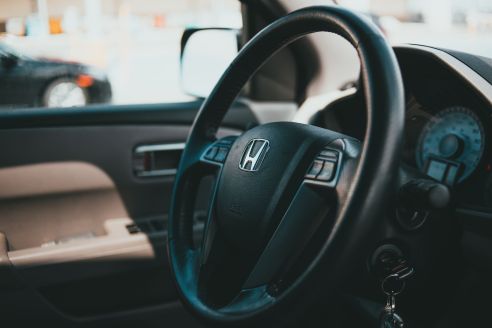
Getting a driver’s license can feel like the finish line, but it is really the beginning of a different kind of learning. Once you drive independently, everyday decisions matter more than exam-day maneuvers. You need judgment, awareness, patience, and a basic understanding of your vehicle. These skills shape how safely you travel and handle situations that never appear on a written test.
Passing the test does not prepare you for every road
A driving test checks whether you can operate a vehicle safely for a short period. Real traffic demands more. You face unexpected lane changes, changing weather, distracted road users, and pressure from drivers who want you to move faster.
New drivers may know the rules but struggle with timing. Turning across traffic, merging onto a busy road, or deciding whether there is enough distance to stop at a changing signal can expose that gap. Defensive driving becomes an everyday skill, not a phrase to memorize. Look ahead, scan intersections early, watch for pedestrians and cyclists, and leave escape space when traffic slows, or another driver behaves unpredictably.
Confidence and competence are not the same. A relaxed driver can still forget to scan mirrors or check blind spots. Build habits around space management, hazard awareness, and speed control. Leave yourself room to respond instead of relying on sudden braking or steering.
Learn to understand what your car is telling you
A vehicle communicates through its dashboard, steering, braking response, sounds, smells, and vibrations. A warning light or unfamiliar sensation may indicate a developing issue. A steering wheel that shakes at speed, for example, can point to a tire or wheel problem; a soft brake pedal deserves prompt professional attention.
Learning automotive terms for new drivers can help you describe concerns accurately when speaking with a technician. Instead of saying the car feels strange, explain that the engine idles roughly, a warning light has appeared, or the tires show uneven tread wear. Clear descriptions help you understand repair recommendations.
Never assume a warning will disappear safely on its own. Consult the owner’s manual, note when the issue occurs, and seek qualified help when a safety system may be affected.
Basic maintenance is part of safe driving
Maintenance is not only about avoiding breakdowns. Tire condition, brakes, lights, wipers, and fluid levels can affect your ability to control the vehicle. Check tire pressure regularly, inspect tread and visible damage, replace worn wiper blades, and keep washer fluid available. Follow the service schedule in your owner’s manual rather than guessing at oil-change intervals.
The National Highway Traffic Safety Administration provides practical tire safety and maintenance guidance, including advice on pressure, tread, and signs of damage. Use the pressure recommended by your vehicle manufacturer.
If you borrow a family vehicle, do not assume someone else is tracking every service. Ask when it was last inspected, check available maintenance records, and learn where the manual is kept. Preparation can prevent problems.
Parking lots build precision
Highways attract attention when people discuss driving risks, but parking areas test control and awareness too. Tight turns, pedestrians, shopping carts, reversing vehicles, and limited visibility require patience.
If you repeatedly park crooked, turn too early, or misjudge the space around your vehicle, treat that as a skill to practice. It means you need more practice in a safe setting.
Practice reversing into a space when the area is quiet. Learn how your mirrors show the parking lines and understand your vehicle’s turning radius and front-end clearance. Move slowly, check all directions, and stop if visibility is blocked. Never rely on a camera alone; it supplements, rather than replaces, direct observation.
Weather changes the way you should drive
A posted speed limit is not a target for every condition. Rain, fog, snow, darkness, and strong winds can change visibility, traction, and stopping distance. Wet roads reduce grip, while fog can make high beams reflect light toward you and worsen visibility.
Slow down, increase following distance, and steer and brake smoothly. Reduce speed before a curve rather than braking sharply while turning. Clear all windows, mirrors, and lights before setting off. If conditions become difficult, consider delaying the trip or stopping somewhere safe.
Phone distraction is more than texting
Distraction includes adjusting navigation, changing music, checking notifications, eating, or becoming absorbed in a conversation. Even a brief glance away can mean missing a pedestrian, brake lights, or a changing traffic signal.
The NHTSA guidance on distracted driving explains that distraction can involve visual, manual, and cognitive attention. Set your route and music before moving, silence notifications, and keep your phone out of reach. If you miss a turn, continue safely and reroute when stopped. Hands-free conversations can still distract you; wait until parked if a call demands attention.
Handle passengers and aggressive drivers calmly
Driving involves social pressure. Friends may talk loudly, encourage speeding, or distract you. Someone behind you may tailgate or honk when you are making a safe decision.
Do not let pressure dictate your actions. Ask passengers to keep the noise down, allow an aggressive driver to pass when it is safe, and never take risks to satisfy someone waiting behind you. If you are uncertain, take the time you need while remaining predictable and considerate.
Keep learning after you earn your license
Improvement comes from noticing difficulties and practicing deliberately. Perhaps you brake too late, hesitate at intersections, or struggle with parallel parking. Identify one weakness at a time and practice it in an appropriate, low-pressure environment. A qualified instructor or experienced supervising driver can offer useful feedback.
The goal is not simply to avoid tickets or repairs. It is to become observant, prepared, and dependable. Learn your vehicle, protect your attention, adapt to conditions, and stay patient when others rush. A license gives you permission to drive; sound judgment is what helps make you a safer driver.
Discover more from
Subscribe to get the latest posts sent to your email.
