
Mountain Cabin Buying Checklist: What Blue Ridge, Georgia Buyers Should Verify
Key Takeaways
- A memorable view is only one part of a sound decision about a mountain property.
- Road access, drainage, slopes, wells, septic systems, insurance, and restrictions should be reviewed before an offer is final.
- A cabin that works for weekend visits may not work as a full-time home or vacation rental.
- Independent inspections and written records are essential during due diligence.
Buying a cabin around Blue Ridge, Georgia can mean waking up near wooded ridges, winding back roads, and the Toccoa River corridor. It can also mean taking a closer look at practical details that listing photos cannot fully show. Blue Ridge GA real estate agents Nathan Fitts & Team offer property searches, area information, home valuation resources, and residential and commercial real estate guidance across Georgia, North Carolina, and Tennessee. Nathan Fitts & Team’s local market focus can help buyers compare cabin locations and property types, while inspectors, surveyors, attorneys, lenders, and local offices should handle technical or legal verification.
The best mountain cabin purchase is not simply the home with the biggest deck or widest view. It is the property that remains safe, usable, affordable, and enjoyable after closing, during heavy rain, cold weather, a power outage, or an ordinary weekday.
Why Blue Ridge Mountain Cabins Need a Different Checklist
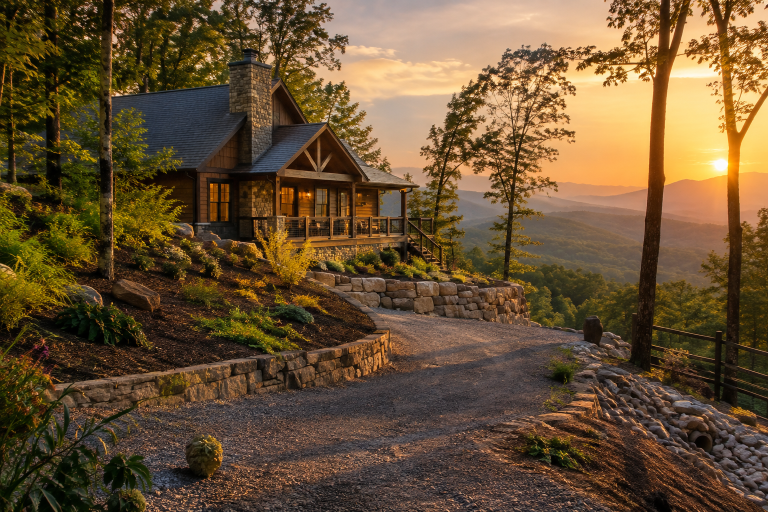
Cabins in Blue Ridge, Morganton, Mineral Bluff, and nearby North Georgia communities can sit on steep, wooded lots with gravel driveways, private roads, and private utility systems. A short showing may not reveal road grades, runoff patterns, cell coverage, retaining wall condition, or the practical distance to groceries, medical care, and home service providers. Treat the land and access systems as seriously as the house itself.
Step 1: Decide How You Will Use the Cabin
Start with the property’s primary purpose. A full-time residence calls for dependable year-round access, workable internet, and convenient daily services. A second home may require a plan for security, winterization, and routine maintenance when you are away. A vacation rental may require additional research into local rules, parking, occupancy limits, insurance, cleaning, and management costs.
For example, a secluded cabin with a narrow uphill driveway may be perfect for occasional quiet weekends. That same driveway may become less practical for a household that commutes daily, receives frequent deliveries, or hosts rental guests unfamiliar with mountain roads.
Step 2: Review Roads, Driveways, and Access
Access deserves early attention. Drive the route to the cabin, not just the final stretch, and visit more than once when possible. Consider the width, surface, curves, grade, turnarounds, and visibility of the driveway. Ask who owns and maintains a private road, whether there are recorded easements or shared-road agreements, and how expenses are handled.
- Look for culverts, drainage channels, washouts, erosion, and retaining walls.
- Consider whether emergency vehicles, contractors, fuel deliveries, and moving trucks can reach the home.
- Ask yourself: “Would this road still feel safe and practical during heavy rain, ice, or an outage?”
Step 3: Check Slopes, Drainage, and Soil Conditions
Water movement can affect foundations, decks, parking areas, driveways, and usable outdoor space. Look for standing water, exposed roots, cracked retaining walls, fresh soil movement, damp crawl spaces, and gutters that discharge too close to the home. Ask sellers for known information about runoff, flooding, drainage repairs, or slope work.
Early research using USDA soil survey guidance can help identify soil-related limitations related to slopes, water tables, foundations, and septic absorption fields. A soil map is useful background information, but it is not a substitute for a site-specific evaluation by a qualified professional.
Step 4: Verify Water and Septic Systems
Private Wells
If the cabin uses a well, request available records for depth, flow, repairs, treatment equipment, and prior water testing. Confirm whether the well serves only the subject property or is shared. Private well owners can also review state private well programs when researching water quality and state-level assistance. During due diligence, arrange appropriate testing through a qualified laboratory.
Septic Systems
Request the septic permit, system location, tank size, maintenance records, and any available as-built information. Confirm that the approved system capacity matches the number of bedrooms and bathrooms and the intended occupancy. A septic inspection and a pump-out when recommended by the inspector can provide a clearer picture of the system’s condition. Ask whether a replacement area has been identified if the drain field will need future work.
Step 5: Inspect the Cabin Beyond the Interior Finish
A polished kitchen or vaulted great room can distract from issues outside the main living area. A general home inspection is a useful starting point, but mountain properties may need additional specialist evaluations.
- Foundation, crawl space, basement, retaining walls, and signs of moisture intrusion.
- Roof age, flashing, gutters, chimneys, fireplaces, wood stoves, and ventilation.
- Deck framing, stairs, railings, balconies, exterior wood, and pest damage.
- Heating, cooling, plumbing, electrical panels, insulation, and backup-power equipment.
Step 6: Test Daily Convenience
Do not assume a cabin’s technology and services will match those in town. Test cell service in several areas of the house and lot. Contact providers directly about internet options, then confirm whether the available service supports remote work, streaming, security cameras, or smart-home equipment. Measure actual travel times to fuel, food, medical care, schools, and repair services. Also ask about mail delivery, trash service, road response, and power reliability.
Step 7: Verify Rental Rules and Full Ownership Costs
Do not build an offer around projected rental income until rental use is verified. Check applicable county or city requirements, subdivision covenants, occupancy limits, parking rules, permit needs, tax obligations, and insurance terms. Rules can change, so confirm current requirements with the relevant authority before closing.
Then build a realistic monthly budget that includes mortgage payments, taxes, insurance, utilities, road or driveway upkeep, tree work, pest control, well and septic service, roof and HVAC maintenance, security, furnishings, repairs, and property management. Ask: “What will this cabin cost during a quiet month, not only during peak rental season?”
Build a Strong Due-Diligence Timeline
- Prepare financing or proof of funds before making an offer.
- Review disclosures, surveys, permits, easements, covenants, and available system records.
- Schedule the general inspection and any needed well, septic, chimney, pest, structural, or drainage evaluations.
- Confirm insurance coverage and review private road responsibilities.
- Evaluate inspection results before the due-diligence deadline, then negotiate, request repairs, or withdraw when permitted.
Common Questions From Blue Ridge Cabin Buyers
Do mountain cabins always have public water and sewer?
No. Utility arrangements vary by property. Confirm whether the home uses public water, a private well, public sewer, or a private septic system.
Should I visit more than once?
Yes, when possible. A daytime visit and a second visit during different weather, traffic, or lighting conditions can reveal differences in road conditions, noise, drainage, and privacy.
Can I rely on a standard home inspection?
It is an important first step, but it may not answer every question about wells, septic systems, slopes, chimneys, pests, road access, or retaining structures.
Final Checklist Before Making an Offer
- Your intended use of the cabin is clear.
- Road access works for every season and expected visitor.
- Water, septic, drainage, slope, and structural records have been reviewed.
- Internet, cell service, insurance, and rental restrictions fit your plans.
- Specialist inspections can be completed as part of due diligence.
- The full cost of ownership fits the budget.
A Blue Ridge cabin can be a rewarding place to live, retreat, or host family and friends. Careful research into access, land, systems, restrictions, and long-term maintenance helps turn an appealing mountain setting into a practical purchase decision.
Discover more from
Subscribe to get the latest posts sent to your email.

Leave a Reply