
What to Check First When Your Home Heating Suddenly Stops Working
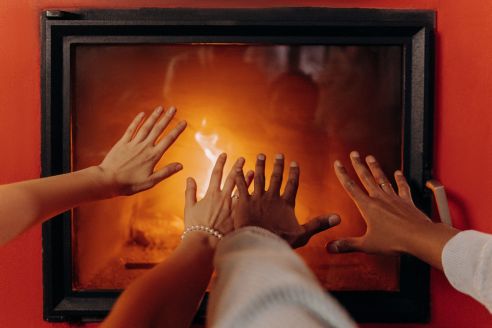
When your heat cuts out without warning, the problem feels bigger than a routine home repair. You notice it fastest on cold mornings, when rooms lose warmth in under an hour and every small draft gets your attention. If you live in Colorado Springs, winter conditions can turn a minor furnace issue into a comfort and safety problem pretty quickly. It helps to know what to inspect first, what signs matter, and when it’s time to stop troubleshooting.
Start With the Thermostat and Power Supply
Before you assume the furnace has failed, check the thermostat settings closely. Make sure it’s set to “heat,” not “cool” or just “fan.” Raise the temperature by a few degrees and listen for a click. If the screen is blank, the batteries may be dead or the unit may have lost power.
Next, inspect the breaker panel. A tripped breaker can shut down the furnace even when everything else in your house seems normal. You should also check the furnace power switch, which often looks like a regular light switch near the unit. It sometimes gets turned off by accident during cleaning or storage.
These first checks sound basic, but they rule out some of the most common no-heat calls without touching the equipment itself.
Know When It’s Time to Call for Professional Repair
Some problems move beyond safe DIY checks very quickly. If you’ve verified the thermostat, power, filter, and vents, but the system still won’t produce heat, it’s time for a proper diagnostic. Gas valves, control boards, limit switches, inducer motors, and ignition components require trained inspection.
If you’re dealing with a furnace not working Colorado Springs, thankfully, has a number of good specialists. Local support matters because weather swings, altitude, and heavy winter demand affect how heating systems perform in that area. A technician familiar with Colorado Springs heating service can spot region-specific wear patterns, venting concerns, and cold-weather strain that a generic checklist won’t cover.
You should also call right away if you smell gas, notice soot, or suspect carbon monoxide issues. Those are not wait-and-see situations.
Check the Air Filter Before You Look for Bigger Problems
A clogged air filter can create a chain reaction inside your heating system. Restricted airflow forces the furnace to work harder, which can overheat the heat exchanger and trigger a safety shutdown. In many homes, this starts with weak airflow from the vents and uneven room temperatures.
Pull the filter out and hold it up to the light. If you can barely see through it, replace it. Disposable filters usually need attention every one to three months, depending on dust levels, pets, and system use. High-MERV filters can trap more particles, but they can also reduce airflow if your system isn’t designed for them.
If your furnace starts normally after a filter change, you may have caught the issue early. If it still struggles, the filter was likely only part of the problem.
Pay Attention to What the Furnace Is Actually Doing
Your furnace often gives clues before it stops completely. If it starts and stops within a minute or two, you may be dealing with short cycling. That can point to overheating, a dirty flame sensor, poor airflow, or thermostat issues. If you hear the blower running but feel cool air, the burner may not be igniting properly.
Look through the access panel window if your unit has one. A healthy gas furnace usually shows a steady flame pattern after ignition. If the burners fail to light, or if the flame appears irregular, the issue may involve the igniter, gas supply, or sensor assembly.
Any burning smell that lasts more than a brief startup period deserves caution. Electrical odors, rattling metal, or loud banging suggest you should stop there and call a technician.
Don’t Ignore Vents, Registers, and Intake Blockages
Heating problems don’t always begin inside the furnace cabinet. Walk through your house and check that supply registers and return vents are open and unobstructed. Furniture, rugs, and closed dampers can disrupt airflow enough to reduce system performance.
If you have a high-efficiency furnace, inspect the exterior intake and exhaust pipes. In snowy or windy conditions, they can become blocked by ice, debris, or drifting snow. That can prevent proper combustion and force a shutdown through the pressure switch safety circuit.
Homes in colder, drier climates often collect dust fast, especially when the system first runs hard for the season. You might think the furnace is weak when the real issue is poor circulation caused by blocked pathways. Good airflow matters just as much as burner operation.
Prevent the Next Breakdown Before the Coldest Week Hits
Most furnace failures feel sudden, but many build slowly through neglected maintenance. Annual service helps catch worn igniters, dirty sensors, loose electrical connections, cracked drain lines, and blower issues before they become no-heat emergencies. That’s especially important before peak winter load arrives.
A smart maintenance habit is to pair filter changes with a quick system check: listen to startup sounds, verify airflow at vents, and note whether any rooms are lagging behind. If your utility bills jump without a clear reason, declining furnace efficiency may be part of the story.
If your system is 15 years old or older, repair decisions also become more strategic. You may need to compare the cost of repeated fixes against performance, safety, and AFUE efficiency ratings. A working furnace should do more than run. It should heat your home reliably when conditions are toughest.
Discover more from
Subscribe to get the latest posts sent to your email.

Leave a Reply