
How Seasonal Changes Can Bring Unwanted Critters Indoors
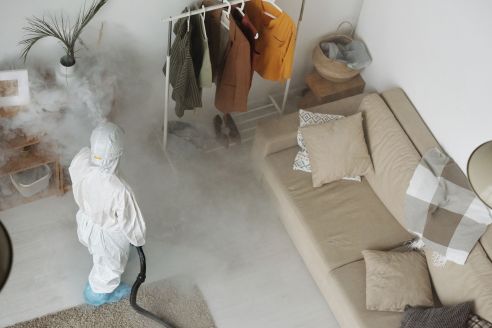
Seasonal changes affect more than the weather outside. They also influence the behavior of insects, spiders, and other household pests. As temperatures rise or fall, pests may search for food, moisture, and shelter in places where conditions are more comfortable. Unfortunately, homes can provide exactly what they need. Understanding how different seasons affect pest activity can help homeowners recognize potential problems, take preventive measures, and maintain a cleaner, more comfortable living environment throughout the year.
Why Changing Weather Encourages Pest Activity
Pests respond naturally to changes in temperature, humidity, and food availability. During warmer months, many insects become more active as favorable conditions support feeding and reproduction. When temperatures drop, certain pests begin searching for protected areas where they can survive colder conditions.
Homes offer several attractive features, including stable indoor temperatures, access to water, and places to hide. Small cracks around windows, gaps beneath doors, and openings near utility lines can provide convenient entry points.
Spiders may also enter homes in search of insect prey or sheltered spaces, particularly when outdoor conditions change. Although many spiders are harmless, frequent sightings can make homeowners concerned about potential infestations.
Regular cleaning, removing webs, and sealing entry points can help reduce spider activity, but recurring problems may require professional attention. Consulting experienced professionals who specialize in pest control for spiders can help homeowners identify areas where spiders hide, understand the causes of recurring activity, and explore effective treatment and prevention options.
Spring Brings Increased Insect Activity
Spring creates favorable conditions for many pests as temperatures become warmer and plants begin growing. Ants, flies, termites, and other insects may become more noticeable around residential properties.
Rainfall can also influence pest behavior. Excess moisture may encourage certain insects to seek shelter in dry indoor spaces, particularly basements, kitchens, and storage areas.
Homeowners can reduce potential problems by inspecting windows, repairing damaged screens, and sealing visible openings around the house. Removing standing water and maintaining proper drainage can also make outdoor areas less attractive to moisture-loving pests.
Spring is an excellent time to inspect the home’s exterior and address maintenance concerns before pest activity increases further.
Summer Heat Can Drive Pests Toward Indoor Spaces
Summer often brings increased insect activity, particularly around gardens, patios, and outdoor dining areas. Warm temperatures support the activity of ants, mosquitoes, flies, and other common pests.
However, extreme heat and dry conditions can also encourage certain pests to search for cooler environments or reliable moisture sources.
Kitchens, bathrooms, and laundry areas may become attractive because they provide access to water. Food crumbs, uncovered containers, and overflowing trash can create additional opportunities for pests.
Keeping food properly stored, cleaning kitchen surfaces, and emptying garbage regularly can help reduce these attractions.
Outdoor maintenance matters as well. Trimming vegetation near the house and keeping doors and windows properly sealed can limit opportunities for insects to enter.
Autumn Encourages Pests to Seek Shelter
As temperatures begin dropping, some pests search for protected places where they can remain during colder weather. Homes, garages, sheds, and attics may provide suitable shelter.
Rodents are a particular concern because they can enter through surprisingly small openings. Certain insects may also gather around windows, siding, and exterior walls before moving into protected spaces.
Autumn is an ideal time to inspect foundations, door frames, vents, and utility openings. Sealing gaps with appropriate materials can help reduce entry opportunities.
Homeowners should also keep firewood away from exterior walls and avoid allowing leaves or debris to accumulate near foundations.
Winter Does Not Eliminate Household Pest Problems
Cold weather may reduce visible outdoor insect activity, but it does not mean every pest disappears. Some insects remain active inside heated buildings, while rodents may continue searching for food and shelter. Warm kitchens, storage rooms, and hidden wall spaces can provide favorable conditions for pests throughout winter.
Regular inspections can help homeowners notice signs of activity, such as droppings, damaged food packaging, or unusual scratching sounds. Maintaining clean storage areas and keeping pantry items in sealed containers can also reduce access to food.
It is equally important to address moisture problems, including leaking pipes and condensation. A dry, well-maintained indoor environment is generally less attractive to many household pests.
Everyday Habits That Help Prevent Seasonal Infestations
Preventing pest problems involves more than responding to visible activity. Consistent household maintenance can reduce the conditions that allow pests to enter and remain indoors.
Regular vacuuming, proper food storage, and prompt cleanup of spills help remove potential food sources. Decluttering storage spaces also makes it easier to identify pest activity and reduce hiding places.
Outside the home, homeowners should maintain vegetation, clear gutters, repair damaged screens, and inspect exterior openings.
Seasonal inspections are especially useful because different weather conditions create different pest pressures. When signs of an infestation continue despite preventive efforts, professional pest management can help identify the underlying issue and determine suitable treatment methods.
Keep Your Home Protected From Pests Year-Round
A pest-resistant home requires ongoing attention rather than occasional cleaning. Each season introduces different environmental conditions, making regular inspections and preventive maintenance particularly valuable.
Homeowners can create a simple seasonal routine that includes checking entry points, monitoring moisture, maintaining outdoor spaces, and keeping food storage areas clean.
It is also helpful to recognize that not every pest problem has the same cause. Some pests enter while searching for shelter, while others are attracted by food, water, or existing insect activity. Understanding these differences makes prevention more effective.
Discover more from
Subscribe to get the latest posts sent to your email.

Leave a Reply