
Innovative Cabin Upgrades to Heat-Proof Your Vehicle This Summer
Preparing a family car for a summer road trip requires much more than just checking your tyre pressure and topping up the coolant. Australian summers are notoriously harsh on our vehicles. Within mere minutes of parking under a blazing sun, a perfectly comfortable car can transform into a sweltering oven. The risks go far beyond simply feeling a hot steering wheel against your hands. According to the Better Health Channel, the temperature inside a parked car can be 20 to 30 degrees hotter than the temperature outside, and a child’s body temperature rises three to five times faster than an adult’s. Understanding these extreme environmental conditions is the crucial first step in protecting your passengers and preserving your interior space.
The Rapid Reality of Cabin Heating
Many drivers do not realise exactly how fast a sealed cabin heats up when exposed to direct sunlight. Up to 75 percent of the total temperature increase in a parked vehicle occurs within the first five minutes of shutting off the engine and closing the doors. On a typical summer day in Australia, the interior climate can effortlessly exceed 60 degrees Celsius. This creates a highly hazardous environment that demands immediate attention.
This rapid heat build-up poses severe risks for families and vulnerable passengers. Approximately 5,000 children are rescued from parked cars in Australia every year, with three-quarters of those rescued being under the age of four. In recent data, the National Roads and Motorists Association recorded over 600 rescues of children from locked vehicles in a single 12-month period. The vast majority of these terrifying incidents were accidental lock-ins by parents juggling keys and grocery bags. Because the interior heat rises so rapidly, passive cabin upgrades are essential to buy crucial time in an emergency situation.
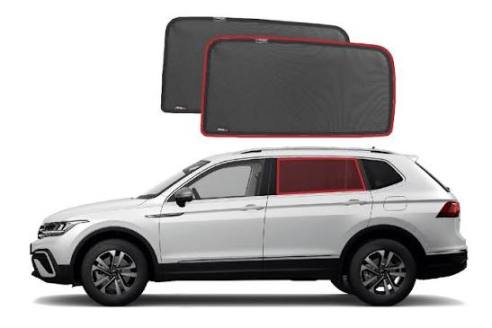
Taking preventative measures is the smartest approach for concerned parents and pet owners. For families driving popular European models, equipping the vehicle with an exact-fit VW sun shade can dramatically reduce solar penetration and significantly slow the temperature climb. Custom-fitted accessories provide a necessary barrier against the harsh elements, keeping the cabin cooler and protecting sensitive skin from intense glare.
Smart Upgrades to Block Harmful UV Rays
While standard vehicle windshields are meticulously designed to block 95 to 98 percent of UVB rays, factory side and rear windows offer significantly less protection. These factory glass panes typically only stop between 55 and 70 percent of UVA rays. This exposes rear-seated passengers to significant UVA penetration, which increases the risk of localised skin damage and accelerates the fading of interior fabrics.
Furthermore, these extreme cabin temperatures accelerate the physical breakdown of interior materials like PVC, polyurethane leather, and dashboard plastics. Intense heat inside a sealed car dramatically increases the emission of Volatile Organic Compounds from synthetic upholstery and adhesives in a chemical process known as off-gassing. Elevated volatile concentrations in sweltering car cabins can significantly degrade the air quality breathed by passengers when they first enter the vehicle. Therefore, passive heat-blocking accessories become an important health consideration.
To combat this degradation, proactive vehicle owners are turning to custom-fitted window protections rather than relying on generic suction-cup blinds. Flimsy blinds often sag, warp, or leave glaring gaps when subjected to extreme heat.
Upgrading to a model-specific accessory ensures perfect edge-to-edge coverage for hatchbacks, sedans, and SUVs alike.
These custom units utilise rigid wire frames to maintain their shape without relying on degrading adhesives, effectively blocking over 99 percent of both UVA and UVB rays for maximum passenger safety and interior longevity.
Proactive Strategies for Summer Driving
Combining the right aftermarket accessories with smart driving habits is the most effective way to heat-proof your vehicle. By taking a few extra precautions, you can easily maintain a comfortable and safe environment for your family on the road. Preparing your family vehicle requires a comprehensive approach to both mechanical and passive cooling systems.
Consider implementing the following practical steps to manage cabin temperatures this season:
- Prioritise proactive maintenance: Before relying on passive cabin upgrades, have your mechanical cooling systems and air conditioning compressor fully serviced to ensure they can handle peak summer loads.
- Ventilate before driving: Always open all doors for a full minute before getting in to allow trapped, toxic off-gassing compounds to escape and fresh air to circulate.
- Invest in certified protection: When purchasing sun-blocking textiles, look for products verified against the AS/NZS 4399 standard to ensure you receive genuine UPF 50+ protection.
- Create a visual reminder: Following the advice of safety campaigns, place your handbag, wallet, or phone in the back seat to ensure you always check the rear before locking your doors.
- Park strategically: Whenever possible, park facing away from the sun or utilise underground parking facilities to minimise direct sunlight striking the rear passenger windows.
Preparing your vehicle for the harsh summer heat involves much more than standard mechanical maintenance. By understanding the severe impact of UV penetration and upgrading to exact-fit window protections, you can significantly reduce interior wear and tear while protecting your loved ones from dangerous temperature spikes. Ensure your vehicle is properly equipped before the extreme heat arrives.
Discover more from
Subscribe to get the latest posts sent to your email.

Leave a Reply