
The Sins We Inherit: Family, Trauma and the Historic Dark Side of Modern Horror
Horror on the big screen can take many forms, but it’s when the terror and evil is hereditary that things get really scary. Siân Alison takes a look at how contemporary horror films and series often point the finger to the family’s past, blaming the sins of the father and mother, so to speak, rather than the contemporary embodiment of any particular evil.
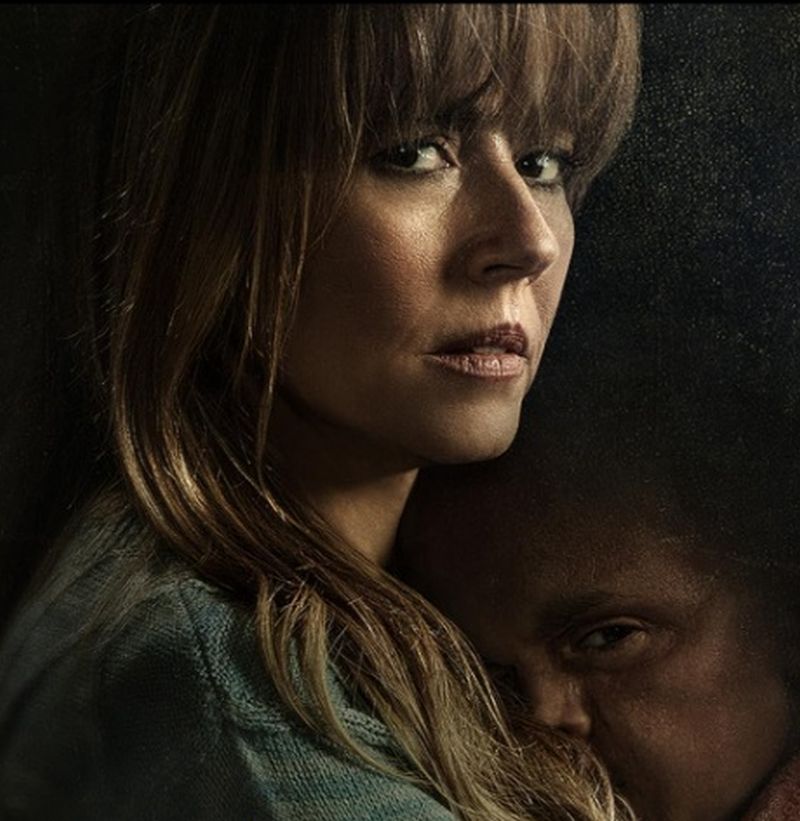
The horror genre has always been fascinated by what lies beneath the surface. An old house, a possessed doll, mysterious strangers who arrive in town. However, increasingly, some of the most unsettling horror isn’t something that comes from outside the household and family. It’s right there. At home.
Over the past few decades, filmmakers have become increasingly interested in the idea that we don’t simply just inherit our parents’ names, features or traditions. We can also inherit their trauma, their beliefs, and sometimes something considerably more sinister.
Modern horror films have distanced themselves from the idea of a family being haunted by an external force. Instead, they are looking at a deeper idea and ask a more uncomfortable question: What if the family itself is where the horror began?
The result is a kind of horror that feels impossible to escape, because there is nowhere to run. You can leave the house, lock the doors and windows, and turn your back on the past, but what happens when the thing terrorising you is part of you? What if it is carried through in your blood, hidden in your memories, or ingrained so deeply into your family’s dark history that you no longer know where you end and the evil begins?
The Sins of the Mother
A film that illustrates this idea very well is actually not so contemporary, but it sure has inspired many modern films. Brian De Palma’s Carrie of 1976 is an adaptation of the Stephen King novel and it introduced audiences to Carrie White, a bullied teenage girl raised by her fanatically religious mother, Margaret.
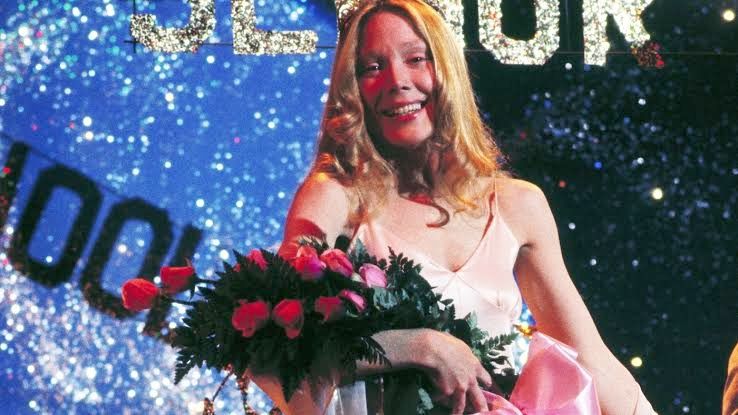
Margaret has created a world in which ordinary aspects of female adolescence are treated as sinful. Margaret’s own beliefs have become so extreme that Carrie grows up believing that her own body is something shameful and frightening and that the natural changes she is experiencing make her somehow impure, perhaps even a little freakish.
Add to this Carrie’s telekinetic abilities and you have a story that could be classed as supernatural in genre but in which real evil lies somewhere closer to home. Something more painful and recognisable, and something as plainly simple as a child inheriting her mother’s fears, shame and trauma.
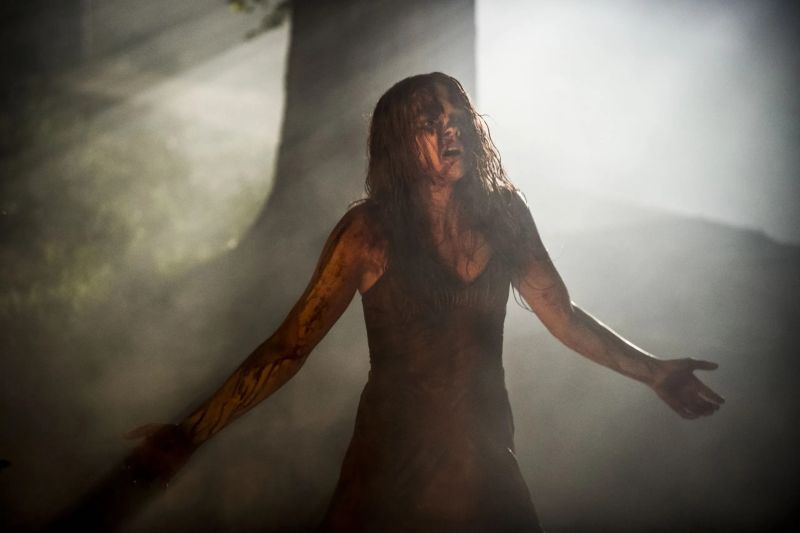
The 2013 modern remake of Carrie demonstrates very well that this central familial theme remains relevant decades later. The remake also adds another interesting dimension to that idea of inheritance. Carrie isn’t just shaped by her mother’s beliefs, the supernatural ability that makes her different is also presented as something inherited through her family. Margaret sees Carrie’s telekinesis as evidence of something evil, while Carrie learns that it may be a family trait passed down through previous generations. Carrie’s eventual violence may be supernatural and extraordinary, but the emotional foundation of the story is painfully human. She isn’t only fighting external evil; she’s fighting the worldview and a supernatural ‘gift’ that has been handed down to her.
When the Past Has Already Decided Your Future
The modern horror film that explores this idea much more directly is Ari Aster’s Hereditary. Starring Australian actress Toni Collette in the lead role and Milly Shapiro as her daughter Charlie, even the title of the movie tells us what we’re dealing with.
The film initially appears to be a story about grief, family dysfunction and the aftermath of loss. As the story develops, it becomes clear that the family’s problems don’t begin with the events we are watching. There is a dark history behind them, and this reaches further back than the characters initially understand.
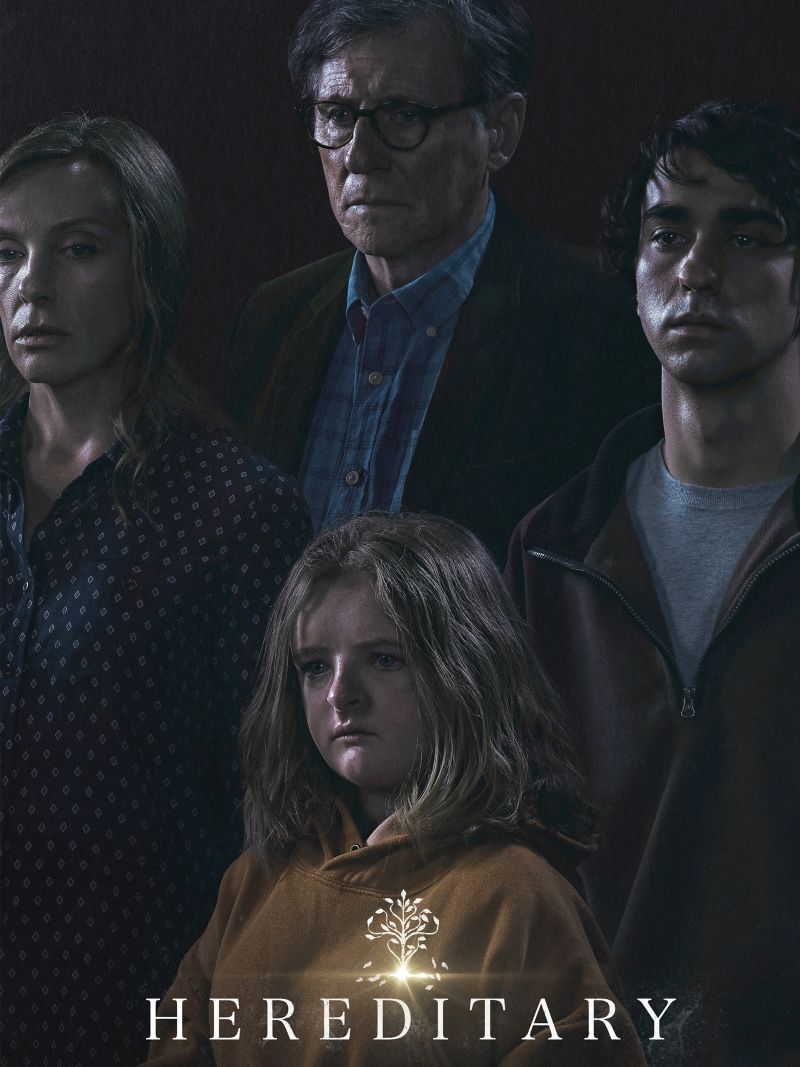
The family must confront the tragedies unfolding around them, but also the disturbing possibility that their lives have been created by forces they never understood.
The characters’ suffering isn’t an isolated event, it’s part of something much older, a sinister inheritance that has been patiently waiting for them long before the story begins. Heirs of this evil are trapped in events that started way before they were born, with each revelation drawing them further into a dark history they cannot undo.
Family history becomes destiny and that makes the film’s title particularly fitting. Heredity usually suggests the things we receive from our parents without choosing them – like our genes or physical characteristics. Hereditary turns that ordinary idea into something terrifying because most of the time you can’t escape something you inherit.
In the Name of the Father, and the Son and the Inherited Darkness
Horror has its fair share of monstrous fathers, but mothers and women are often held to different standards and often bear a particular burden when it comes to family evil. Hollywood holds mothers to an ideal of unconditional love, nurture and self-sacrifice, and modern horror often uses this idea to create chilling stories.
In films such as Carrie and Hereditary, maternal relationships become tangled with control, resentment and inherited trauma. The horror lies in the collapse of the one relationship society often teaches us should be the safest of all, a mother should be the one person her children can always trust.
The majority of horror movies reserve inherited family darkness for mothers, there are however a couple of modern examples where the fathers’ sins are explored.
The Killing of a Sacred Deer (2017), starring Nicole Kidman alongside Colin Farrell, explores another form of inherited burden, as a father’s past wrongdoing places his entire family in danger.
In Insidious (2010) and its sequels, a father and son share a supernatural ability that connects them to a dangerous realm, while the father’s own troubled past threatens to spill into the next generation and cause harm.
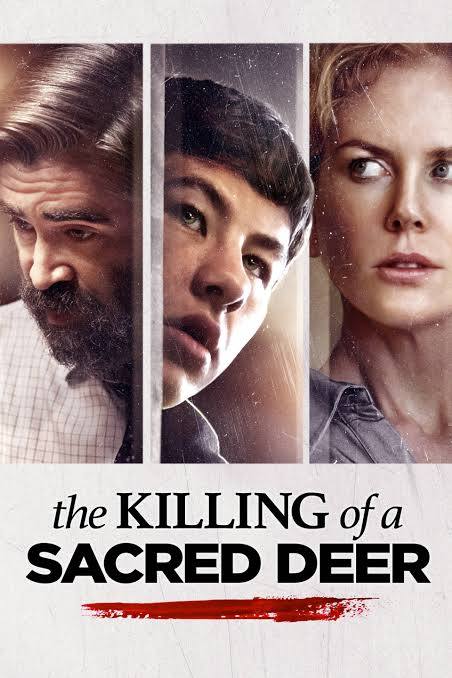
These relatively contemporary films suggest that parental sins can haunt children regardless of gender, although the cultural expectations placed on mothers can make maternal evil particularly more unsettling.
Blood is thicker than water: when all in the family believe the same thing
The topic of evil through generations is not always to do with maternal or paternal evil passed through generations, it can also include ideas and fears.
Robert Eggers’ The Witch takes the idea somewhere darker. Set in 1630s New England, the film follows a deeply religious family who are already living within a worldview dominated by sin, temptation and damnation before anything supernatural appears.
The family doesn’t arrive in the woods as a group of rational people who suddenly encounter something horrific. They have inherited a particular way of understanding the world, they already believe evil is everywhere, and that belief system becomes increasingly difficult to separate from the strange and very scary events unfolding around them.
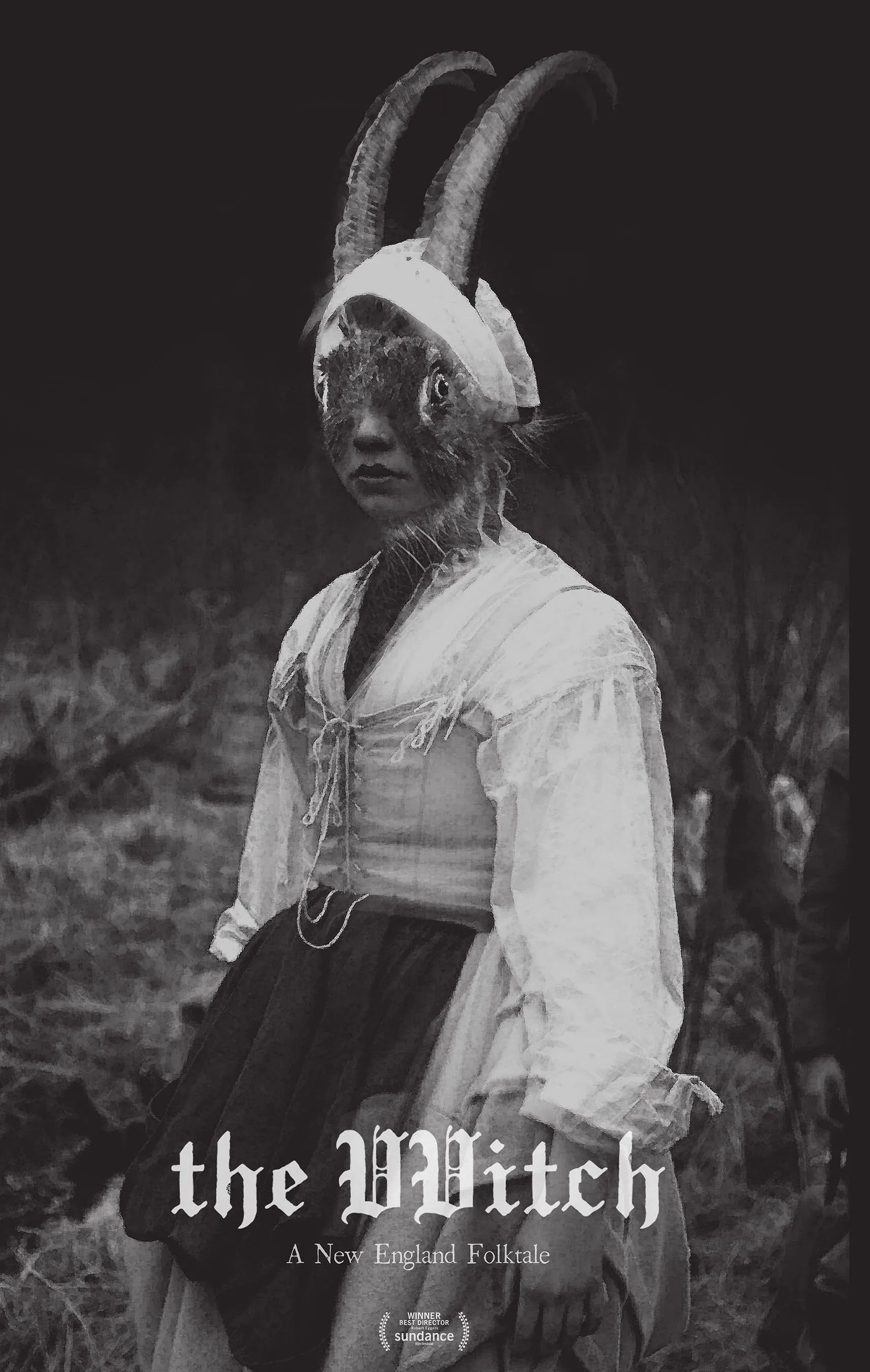
The children have inherited their parents’ beliefs, but they also inherit their fears. As the family becomes increasingly isolated, the distinction between dogmatic paranoia and genuine supernatural evil begins to dissipate. The woods become frightening but so does the very family itself, as suspicion and fear begin to turn its members against one another.
The horror isn’t the possibility that a bad witch exists in the woods. It’s the possibility that everything this family has been taught to fear has become impossible to escape.
What If it’s in Your Blood?
Inheritance doesn’t always have to be psychological, parental influence or a matter of childhood trauma. In Julia Ducournau’s French horror film Raw, inheritance becomes something much more literal and physical. It has passed from one generation to the next, lying dormant until it begins to surface. There is no family secret that can simply be locked away, no past she can leave behind or run away from. The inheritance is already part of her since the day she was born. It is inside her, waiting to emerge.
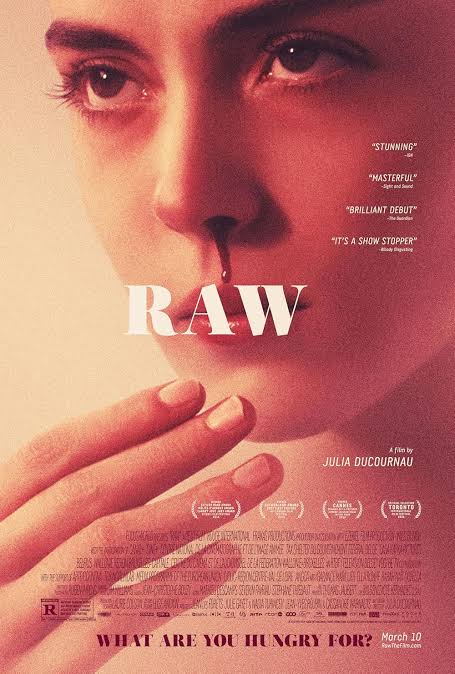
At first, the character Justine appears to be simply discovering herself. She’s a young vegetarian starting veterinary school, navigating independence, adulthood and a new environment away from home. After being forced to eat raw meat during an initiation ritual, something inside her begins to change. Her increasingly disturbing appetite initially seems like a strange and terrifying transformation.
Eventually, Justine discovers that her increasingly disturbing appetite isn’t entirely new, it’s part of her family history. That revelation changes the meaning of what we’ve already witnessed. This isn’t simply a young woman developing an unexpected desire, this is something has been passed from one generation to another.
Raw therefore takes the idea of inherited horror in a different direction from The Witch. The Witch inherits a fearful worldview whereas Justine inherits something physical, something that has been waiting inside her all along. The horror of inheritance becomes biological.
Not Every Inherited Curse is Evil
 Interestingly, the idea doesn’t belong exclusively to horror. Practical Magic (1998) starring Nicole Kidman and Sandra Bullock explores a very similar concept through a much more romantic and magical lens. The Owens women inherit a curse placed upon their ancestor Maria Owens and generations of women in the family live with the consequences. Their inheritance is part of their identity but is simultaneously a burden.
Magic, family history and female lineage become intertwined, this appears repeatedly throughout supernatural cinema and often relates to real life. The same thing that creates a burden also creates a connection between generations. Practical Magic shows us that an inherited curse can become part of identity. This is an important distinction because inherited history doesn’t have to be portrayed as purely evil. Our families can pass down traditions, beliefs and stories as well as trauma and fear. Supernatural cinema simply gives these ideas a more literal form. The question remains the same:
We Can’t Choose What We’re Born Into
There are probably many reasons why family remains such an effective source of horror in modern cinema. We can choose our friends, change jobs and we can reinvent ourselves, but we can’t choose our family history.
Whether it’s Carrie’s inherited religious shame, the family’s deeply ingrained beliefs in The Witch, Justine’s biological inheritance in Raw or Hereditary turning family history into something almost inescapable.
Family drama horror can feel more disturbing than a conventional slasher or ghost story because the evil cannot always be defeated or outrun. The things inherited through family are harder to leave behind and can shape how we see ourselves, influence the choices we make and follow us into our lives
And the hereditary themes are consistent – from the Halloween franchise to A Nightmare on Elm Street series, we see the parents play an important part in the continuing on of the evil. Even the current stream series Crystal Lake – takes themes from the horror classic Friday the 13th and posits their beginnings in with the mother. Jason is practically a kidder in comparison the kills his mother notches up.
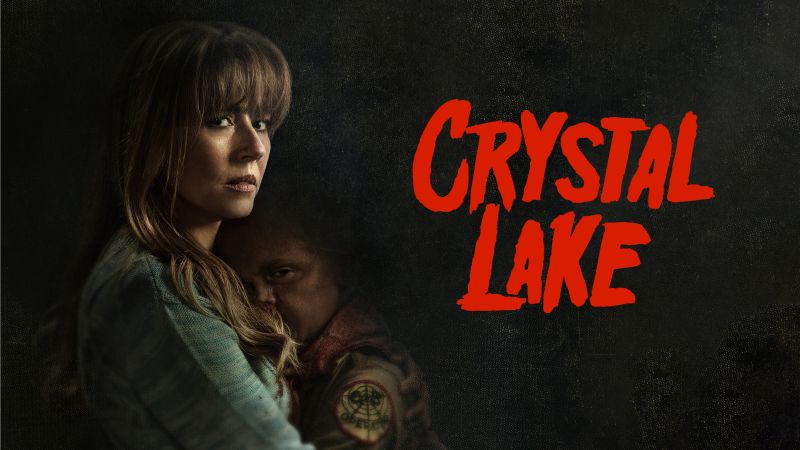
The most frightening realisation with this particular genre of films (and stream TV series) is that the past hasn’t finished with us yet. All these modern horror films are different, but they all play with the same uncomfortable idea.
Sometimes the thing haunting us isn’t something we encounter or can fight; it’s something we’re born into.
********
From the spooky to the serene, the 10 perfect spots to take snaps around W.A.
Bedtime Stories: Let’s get adventurous, honey, let’s get adventurous
The Evolution of ‘Star Wars’ Gaming: from the Arcade to the Couch
Why the 90s Movie ‘The Craft’ Still Resonates with Millennial Women
Monster Mash: How AI imagines classic horror creatures to look like in today’s world…
Discover more from
Subscribe to get the latest posts sent to your email.
