
How Fire Departments Can Turn Service Milestones Into Lasting Team Memories
Fire service milestones deserve recognition that feels as real as the work behind them. Whether a department is welcoming academy graduates, marking a retirement, or remembering a fallen member, the most effective gesture connects people to a shared story. Thoughtful items such as coins for your fire station can become meaningful reminders when they are tied to service, teamwork, and the identity of the crew.
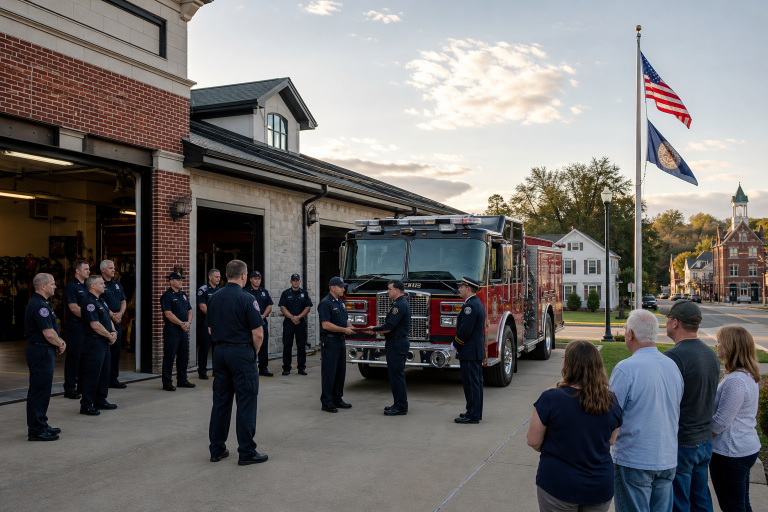
Recognition does not have to mean an elaborate banquet or a costly display. A short presentation after shift change, a framed note, a station tradition, or a carefully chosen keepsake can give a milestone the attention it deserves. What matters most is that the department explains why the moment, person, or crew is being honored.
Why Recognition Matters in Fire Service
Firefighters, dispatchers, volunteers, mechanics, administrative staff, and support personnel all contribute to readiness. Recognizing that work can reinforce the idea that every role matters. It also gives newer members a clearer picture of the habits the department values, including preparation, steady leadership, mentoring, equipment care, and mutual support.
Recognition should not be reserved only for dramatic calls. A member who improves apparatus checks, develops a useful training drill, or helps probationary firefighters settle into station life may have a lasting effect on the crew. A brief acknowledgment in front of peers can show that consistent effort is noticed.
Milestones Worth Marking
Every department will have its own traditions, but many service moments are natural opportunities to pause and recognize progress. Consider marking:
- Fire academy graduation and completion of probation.
- Promotions, officer appointments, and new leadership assignments.
- Years-of-service anniversaries and retirements.
- Completion of advanced training, certifications, or specialized assignments.
- Major rescues, acts of courage, and successful multi-agency operations.
- Department anniversaries, station openings, and apparatus retirements.
- Memorial services and annual remembrance dates.
The scale should fit the occasion. A completed training course may call for a short presentation at drill night, while a retirement may warrant a gathering where colleagues and family can share memories.
How to Build a Recognition Plan
A repeatable process keeps recognition timely and helps leaders avoid last-minute decisions. Start by defining the purpose. Is the department celebrating service, teamwork, courage, leadership, remembrance, or a historic milestone? That answer should guide every later choice.
Gather the story before choosing the format
- Choose the recipients: Include individuals, crews, dispatchers, support staff, volunteers, or partner agencies when their contributions are part of the story.
- Set the tone: Match the presentation to the event. A promotion may be formal, while a training milestone may be brief and practical.
- Collect the details: Record names, ranks, dates, station numbers, training classes, call signs, and a concise description of the contribution.
- Review the wording: Ask a supervisor or department leader to check names, dates, and language before anything is produced or presented.
- Plan the presentation: Decide who will speak and prepare a few sentences that explain the significance of the recognition.
Use Symbols With Purpose
Visual details can make recognition feel connected to the department rather than generic. Department colors, a station number, a local landmark, an apparatus silhouette, a training-class year, or a simple fire service symbol can help tell the story. Use only elements that recipients will recognize and understand.
Less is usually more. A design crowded with emblems, dates, and long phrases can become difficult to read. Select one central image, a few supporting details, and wording that remains clear at a glance. Before finalizing anything, confirm that insignia, spellings, ranks, and symbols are accurate and appropriate for the occasion.
Honor Fallen Firefighters With Care
Memorial recognition is different from routine awards because the focus must remain on the person’s service, family, colleagues, and community. Confirm every name, rank, title, and date. When possible, give family members an opportunity to share preferences about language, photographs, or symbols before a program, display, or keepsake is finalized.
Public memorials can also provide a useful example of a respectful tone. The City of Brampton’s permanent tribute to fallen firefighters centers remembrance, support, and service to the community. A department may adapt that same spirit through a station display, an archive of member stories, a ceremonial reading of names, or a designated annual remembrance date.
Avoid making a memorial feel rushed, casual, or promotional. The presentation should be reviewed carefully, and the words spoken should place the member’s life and service ahead of the item being presented.
Make the Recognition Personal
One honest detail often means more than a long inscription. Mention the recipient’s role, the crew involved, a challenge they helped overcome, or the community served. A handwritten note from a chief, mentor, or fellow firefighter can add warmth that a formal certificate alone may not convey.
For example, a retiring captain might receive a keepsake featuring the station number, years of service, and a short phrase the crew used during early morning equipment checks. The phrase may mean little outside the station, but it can immediately bring back the people, routines, and responsibilities that shaped the captain’s career.
Common Mistakes to Avoid
- Including too many words or symbols in one design.
- Using names, dates, or ranks without checking them twice.
- Giving the same type of recognition for every milestone.
- Overlooking dispatchers and behind-the-scenes personnel.
- Failing to explain the story behind the recognition.
- Making a serious memorial event feel hurried.
- Choosing an item only for appearance instead of meaning.
A Simple Action Plan
- List major department milestones expected during the year.
- Create a simple recognition format for routine achievements.
- Maintain a separate review process for memorial events.
- Ask members which traditions feel authentic to the crew.
- Keep important dates, stories, approved wording, and design files in one shared location.
- Review each event afterward and record what should be repeated or improved.
Departments planning a public remembrance can look to the structure of annual fallen firefighter and EMS memorial services, which bring families, departments, and communities together around a formal act of remembrance.
Final Thoughts
Meaningful recognition does not need to be expensive or elaborate. The strongest gestures connect a person to a story, a crew, or a value that matters inside the department. By planning these moments with care, fire departments can create lasting reminders of service and build traditions that future members will understand, respect, and carry forward.
Discover more from
Subscribe to get the latest posts sent to your email.

Leave a Reply