
8 Great Things David Lynch Taught Me
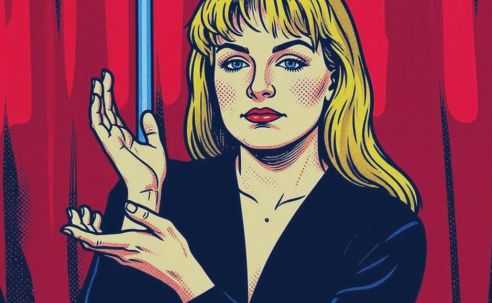
Few artists and creators have bent television to their will quite like David Lynch. Equal parts surrealist storyteller and culture/community provocateur, Lynch built a reputation on uncanny films like Blue Velvet, Mulholland Drive and Inland Empire which made the everyday feel quietly sinister. But it was his groundbreaking TV series Twin Peaks that cracked open the entertainment mediums, blending soap opera, crime drama and dream logic into something entirely new and beautifully bizarre.
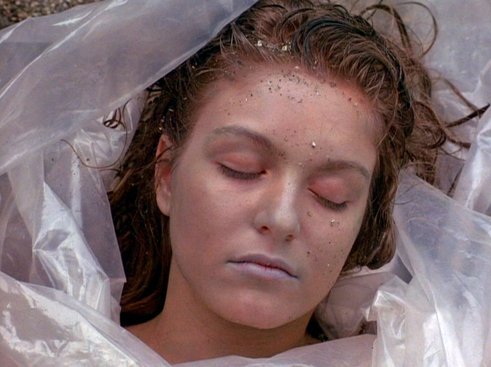
The series follows the surreal investigation into the murder of homecoming queen Laura Palmer in a fictional Pacific Northwest logging town. Here, the everyday mundane are turned into things altogether thrilling, dangerous, sometimes even fatal (indeed, it starts with a scene of Laura’s dead body fished out of the town lake while throwing the viewer right into the deep end).
What starts as a standard who-done-it murder mystery soon spirals into a mind-bending, fever dream filled with backward-talking, decadently decorated rooms whose walls hold dark secrets, and alternate dimensions. If audiences turned to television to escape, ‘Twin Peaks’ took them way out of this world.
When the series first aired internationally in April 1990, it sparked a sense that strange things in popular culture were about to become, well, more popular and even stranger. It was quite possibly the first television series to question normalcy, challenging traditional stereotypes, and basically putting the fucked-up condition of being human (dead or alive) on mass display for all to ogle and feel oddly familiar with. You could say Twin Peaks was the blueprint for all the alternative television that permeates TV guides today.
Decades on, Twin Peaks’ influence still hums beneath modern – mostly steam – TV. So what exactly did Lynch teach us?
1. That red is a naughty colour
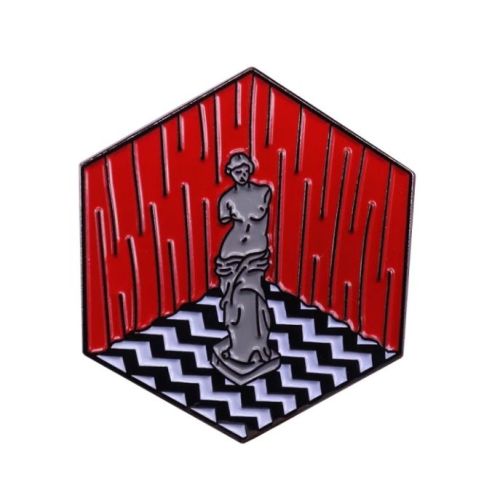
Whether it’s the cherry whose stem Audrey Horne (Sherilyn Fenn) ties into a knot with her tongue, or the tall velvet curtains that bled against the black-and-white zig-zag flooring in those warped rooms, red was where it’s at when it came to Lynch’s colour palette and, indeed, palate. His taste for the colour was as impeccable as Akira Kurosawa’s knowledge of it being a potent, seductive, sometimes unnerving colour. Marketers know this full well, which is why different reds are the most shades you see in lipstick collections, and why every brand – from McDonald’s to Coca-Cola – loves to see the colour bleed from their neon signs and logos. Put on rose-coloured glasses, and you won’t see the red. Glasses off, then…
2. Small towns aren’t as innocent as they seem
Behind white picket fences, nice cherry pie, and darn good coffee lies something darker. Twin Peaks revealed that beneath the façade of wholesome Americana lurks secrecy, violence – including rape and murder – and moral ambiguity.
3. Dreams are a language worth listening to
Lynch doesn’t treat dreams as narrative fluff; to him they held relative clues. Symbolic, disjointed and emotionally charged, dreams often carry more truth than the waking world.
4. Tone is everything
Humour and horror can coexist. One moment you’re laughing at a deadpan exchange; the next, you’re unsettled by something you can’t quite explain. Lynch showed that tonal whiplash can be a feature, not a flaw.
5. Not every mystery needs solving
In a culture obsessed with answers, Twin Peaks embraced ambiguity. Some questions remain open, inviting viewers to sit with uncertainty rather than resolving it.
6. Sound and mood are excellent storytelling tools
From Angelo Badalamenti’s haunting score to the persistent hum of electricity to silent atomic explosions going off, atmosphere does as much narrative work as dialogue. Lynch teaches us to feel a story, not just follow it, and a lot of that comes from sound or the lack of it in intense moments. In the end, Twin Peaks isn’t just a show – it’s a mood, a puzzle, and a quiet dare to see the world differently. And in our uncanny digital age, combined with socio-economic stressors and the death of context in media, we’ve pretty much got no choice but to view the world from a new, alternative perspective.
7. The beauty and importance of Transcendental Meditation
In real life, David Lynch talked a lot of the benefits of Transcendental Meditation (or TM for short). TM is a simple mental technique in which you silently repeat a mantra to allow the active mind to naturally settle inward, accessing a state of “restful alertness”. It helps you reduce stress and can take the mind to great places. For more information about TM, click here.
8. That art doesn’t need to make sense.
Lynch famously argued that art doesn’t need to make rational sense, noting: “I don’t know why people expect art to make sense. They accept the fact that life doesn’t make sense.” As well as television and film-maker, David was a wonderful artist who painted regularly. He actually studied fine arts and only began making films as a way to animate his paintings and bring movement to his canvases. A true multimedia artist, then.
Brilliant and outré film and TV director David Lynch has died, aged 78

Curating the Ultimate Luxury Weekend Getaway in the Heart of Sydney
Hands in the air for a ‘Romy and Michele’ movie sequel is finally in production

Discover more from
Subscribe to get the latest posts sent to your email.

Leave a Reply